
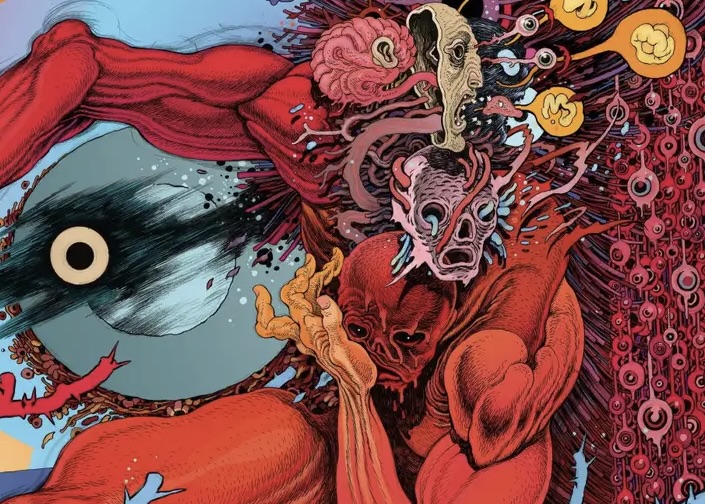

Alright, horror fiends, buckle up because we’re diving headfirst into the creepy, capitalist-gutting, ghost-ridden world of Spectregraph, the collected edition from DSTLRY that dropped in 2025 like a haunted house brick through your grandma’s bay window. This graphic novel—penned by the horror maestro James Tynion IV and illustrated by the psychedelic visionary Christian Ward—is a four-issue descent into a gothic nightmare reminiscent of The Haunting of Hill House with a middle finger to the 1%. It’s a slow-burn spookfest with enough eerie vibes and visual flair to make you sleep with the lights on, clutching your overpriced artisanal coffee for dear life. Let’s tear this bad boy apart—respectfully, of course, because it’s damn good, but I’ve got some bones to pick.
First off, James Tynion IV. If you don’t know this guy, you’ve clearly been living under a rock instead of reading comics under it. Tynion’s the reigning king of modern horror comics—think Something Is Killing the Children, The Nice House on the Lake, and W0rldtr33. The dude’s got more Eisner Awards than I’ve got existential crises, and he’s carved out a niche making readers feel like the world’s about to eat them alive. His background’s a mix of superhero stints (he’s left his mark on Batman) and indie horror. Tynion’s got a knack for blending the personal with the paranormal, and Spectregraph is no exception—he’s here to fuck with your head and your heart.
Then there’s Christian Ward, the artist who turns every page into a fever dream you can’t unsee. Ward’s a multiple-Eisner winner too, with a resume that includes Batman: City of Madness and Invisible Kingdom. His style’s a wild mash-up of vibrant colors and surreal shapes—like if Salvador Dalí and H.R. Giger had a lovechild who chain-smoked LSD… wait, you don’t smoke LSD… He’s painting nightmares that stick to your retinas. Together, Tynion and Ward are a match made in hell, and Spectregraph is their twisted baby, birthed from a cauldron of occult vibes and social commentary.


So, what’s the deal with Spectregraph? Picture this: a creepy-ass mansion perched on the California coast, just north of LA, that’s been sitting there like a gothic zit on the face of America’s opulent wealth. It belonged to Ambrose Everett Hall, a dead billionaire with a hard-on for the occult and a legacy shrouded in whispers. For decades, the elite have been gossiping about what the hell he was building in there—some say it’s a ghost factory, others think it’s a portal to capitalist hell. Now that he’s kicked the bucket and the estate’s up for grabs, the vultures are circling.
Enter Janie Chase, our protagonist—a real estate agent and single mom who’s juggling a crying baby and a career. She’s tasked with selling this cursed pile of bricks, but shit hits the fan when she gets trapped inside with Vesper, a mysterious chick tied to the mansion’s dark past. Meanwhile, Felix, Hall’s ex-assistant and lover (yeah, it’s complicated), is an old geezer obsessed with cracking the “spectregraph”—some paranormal gizmo Hall cooked up. Oh, and there’s the Thanatos Group, a shadowy cabal that’s probably up to no good. It’s a slow unraveling of secrets, ghosts, and the kind of dread that makes you check your closet twice.
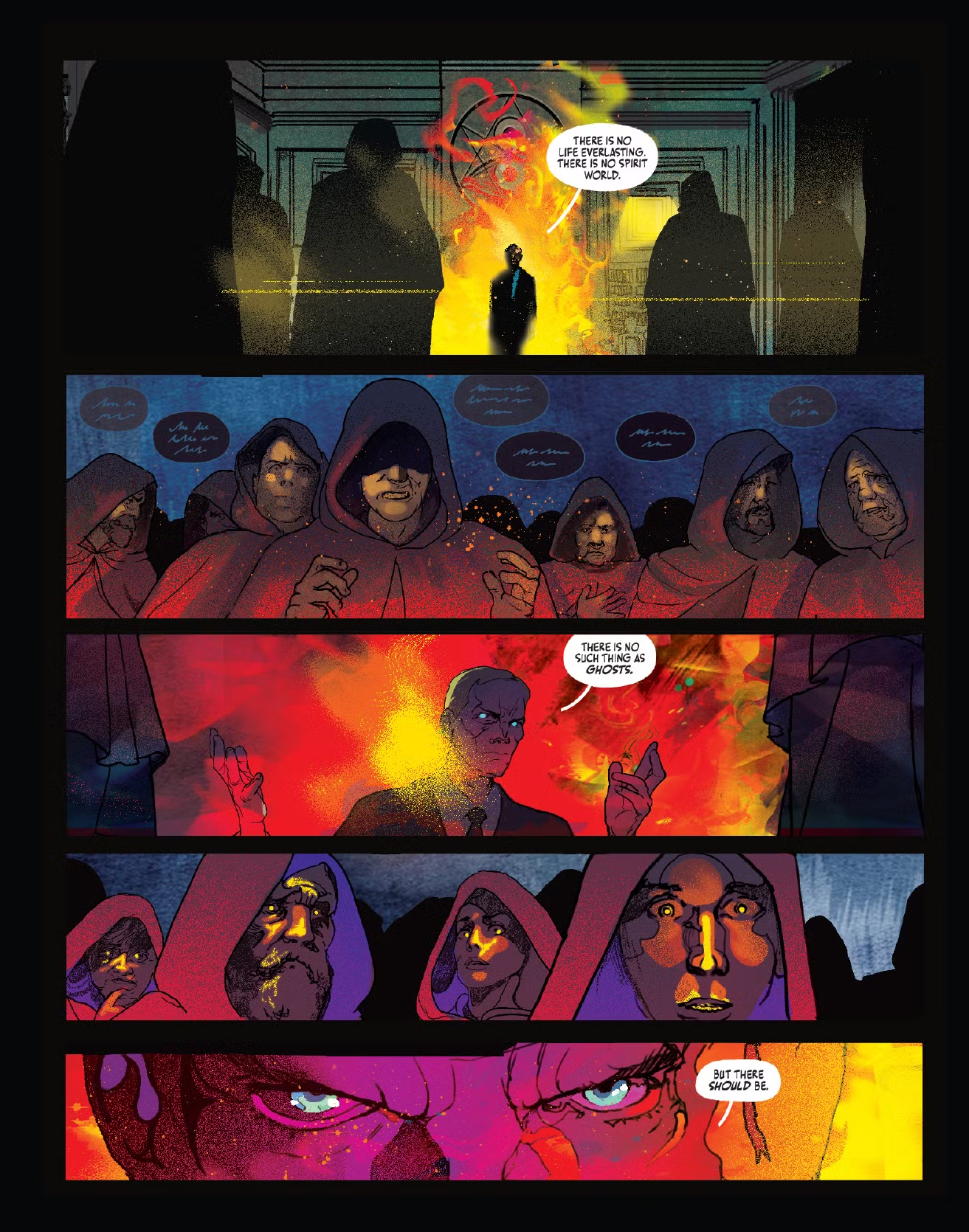
If Spectregraph has a thesis, it’s this: capitalism’s a soul-sucking vampire, and the rich are its gnarly fangs. Tynion doesn’t just give us ghosts; he gives us a ghost story “steeped in the decay of a century of capitalism,” as the promo blurb puts it. The mansion’s a monument to excess—built by a titan of industry who thought he could buy his way into the afterlife or some shit. It’s a rotting symbol of how wealth hoards power, even beyond the grave, while the little people (hi, Janie) get screwed.
There’s also a hefty dose of parental anxiety here. Janie’s desperation to provide for her kid while stuck in this nightmare house is the real gut-punch. It’s not just about surviving ghosts and a system that doesn’t give a damn if you’re a single mom or a spectral snack. The occult angle ties it all together—Hall’s obsession with the paranormal feels like a metaphor for the elite’s endless quest to cheat death, taxes, and accountability. Tynion’s messaging is sharp: the real horror isn’t the ghosts; it’s the world that made them.
Tynion’s script is slow as molasses but tense as a wire. He doesn’t blast you with jump scares; he marinates you in unease until you’re begging for the release of a good scream. Janie’s a relatable mess—overworked, underpaid, and way too human to handle the supernatural shitstorm she’s stumbled into. Her scenes with her neglected baby are the emotional meat of the story, and they hit harder than a poltergeist with a grudge. The dialogue’s tight, with Felix’s cryptic ramblings about the spectregraph adding a layer of mystery that keeps you hooked. Tynion balances the personal stakes with the cosmic weirdness. My gripe? It’s somehow too slow at times despite only having four issues. Issue #1 feels like a long setup, and while the payoff in #4 is worth it, I occasionally wanted to yell, “Get to the damn ghosts already!” Still, when the horror lands—like that nine-panel grid of dread in #1—it’s a knockout.

Christian Ward’s art is the star of this haunted show. Every page is a goddamn masterpiece—vivid colors bleeding into each other like a ghost’s guts splattered across a canvas. The mansion’s a character unto itself, all jagged angles and shadowy corners that make you feel trapped alongside Janie. Ward’s ghosts are surreal as hell—contorted, melting forms that look like they crawled out of a Clive Barker wet dream. His use of reds and purples sets an eerie tone that’s both beautiful and fucked-up. The cinematic pacing of his panels keeps the tension cranking. Janie’s expressive face carries the emotional weight, while the spectregraph itself is this abstract, otherworldly doodad that’s fascinating and terrifying. My only nitpick? Sometimes the art’s so trippy it’s hard to tell what’s happening. But honestly, that’s part of the charm—Ward’s not here to spoon-feed you; he’s here to drown you in vibes.
Spectregraph is a mood. The atmosphere’s so thick you could cut it with a Ouija board. Tynion and Ward nail the gothic horror vibe with crumbling mansions, whispered secrets, and a creeping sense that shit’s about to go sideways. The blend of social critique and supernatural chills is fresh; it’s not just another haunted house tale—it’s a haunted house tale with a point. Janie’s a standout protagonist, and the mystery of the spectregraph keeps you guessing until the brutal end.
The collected edition itself is a beaut—DSTLRY’s oversized format lets Ward’s art breathe, and the hardcover feels like a tome you’d find in Hall’s creepy library. It’s a premium package for a premium story, perfect for horror buffs who want something to sink their teeth into.
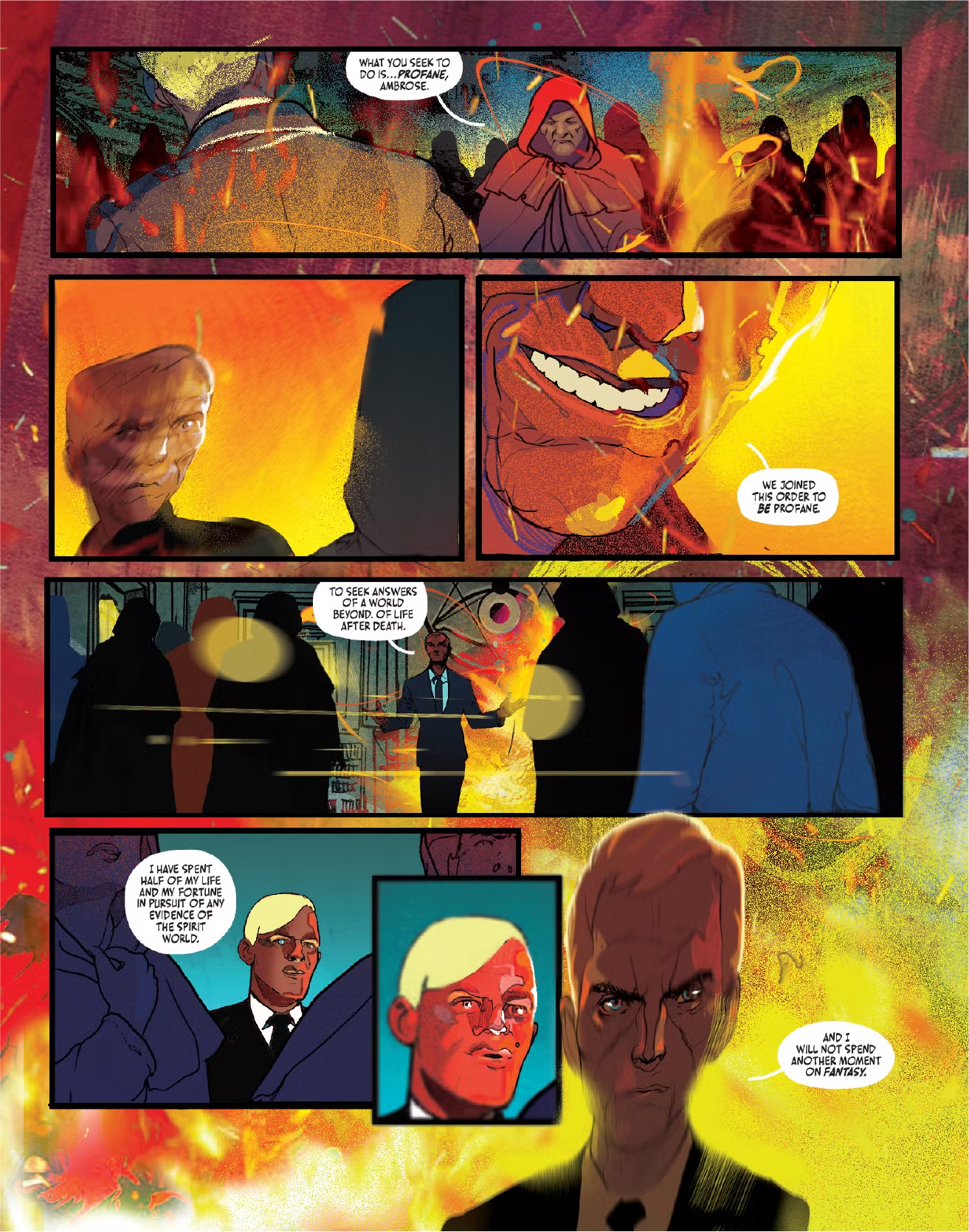
The slow pacing might piss off readers who like their horror fast and bloody—I’m looking at you, gorehounds. The Thanatos Group feels underexplored; they’re a menacing shadow, but we don’t get enough meat on their bones. And while the ending’s a gut-wrenching twist, it leaves some threads dangling—like, what’s the full deal with Felix and Hall’s relationship? I wanted more closure, damn it.
Also, the collected edition could’ve used some bonus goodies—concept art, Tynion’s notes, something to sweeten the pot. For a premium price, I’d expect a little extra spice.
Spectregraph is a slow-burn triumph that’ll haunt your nightmares and your bookshelf. Tynion and Ward are at the top of their game, delivering a cerebral horror tale that’s as gorgeous as it is unsettling. It’s not flawless—the pacing drags, and some mysteries stay too mysterious—but it’s a hell of a ride. For horror fans who dig atmosphere over cheap thrills, this is your jam. Grab it, read it with the lights on, and thank me later when you’re too spooked to sleep. Definitely recommended, you freaky bastards.



Writer: James Tynion IV
Artist: Christian Ward
DSTLRY
Published February 17, 2024

 The Blog Without a Face
Leave a comment