
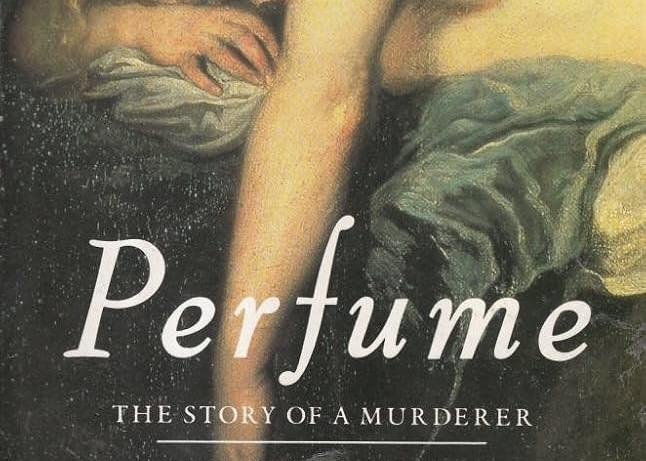
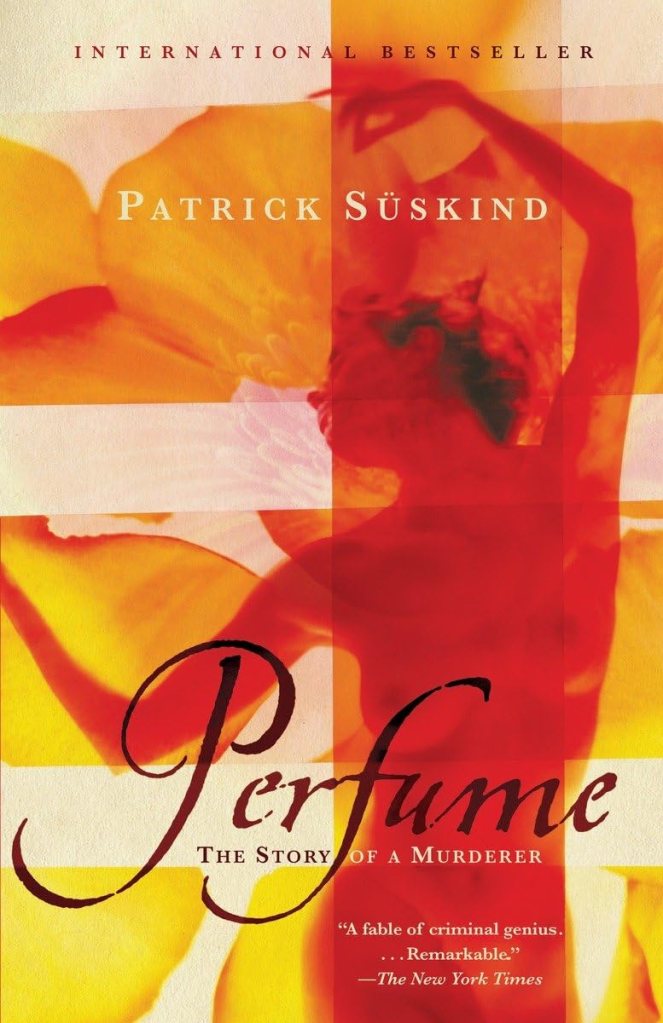
Few novels possess the power to unsettle, enthrall, and intoxicate the senses quite like Perfume: The Story of a Murderer by Patrick Süskind. Originally published in 1985, the novel has defied categorization, straddling the line between gothic horror, historical fiction, and psychological thriller with unsettling ease. Forty years later, Perfume still permeates the literary world with its singularly strange protagonist, Jean-Baptiste Grenouille, a man born with a supernatural sense of smell and an utter lack of human empathy. Süskind’s novel remains a tour de force in olfactory storytelling, painting an 18th-century France so rich in stench and beauty that it becomes almost a character unto itself.
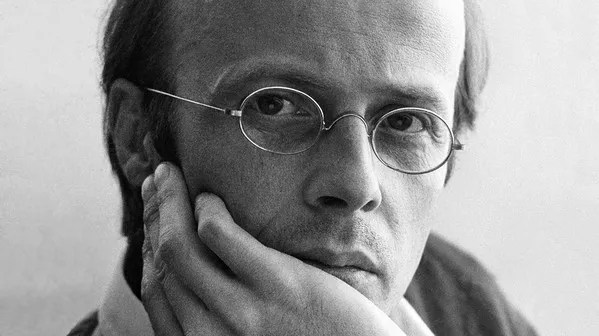
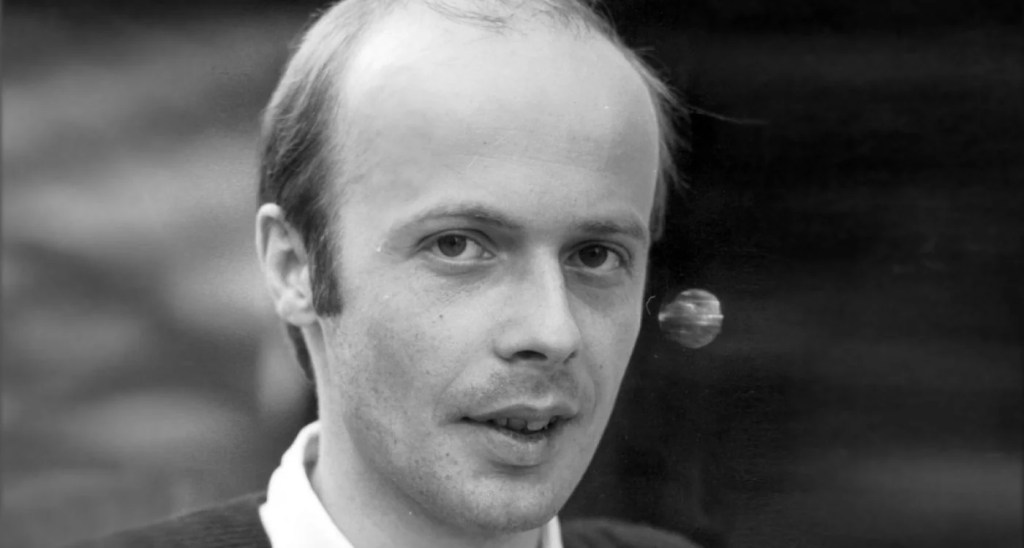
Patrick Süskind is as enigmatic as his best-known creation. A German writer with a sparse bibliography, he has notoriously avoided the limelight, giving few interviews and refusing public appearances. Before Perfume, Süskind had written for television and stage, but the novel catapulted him to international fame. His subsequent works, including The Pigeon and The Story of Mr. Sommer, while successful, never recaptured the eerie magic of his magnum opus. Süskind’s reclusiveness mirrors the detachment of his protagonist, a parallel that adds to the novel’s mystique.
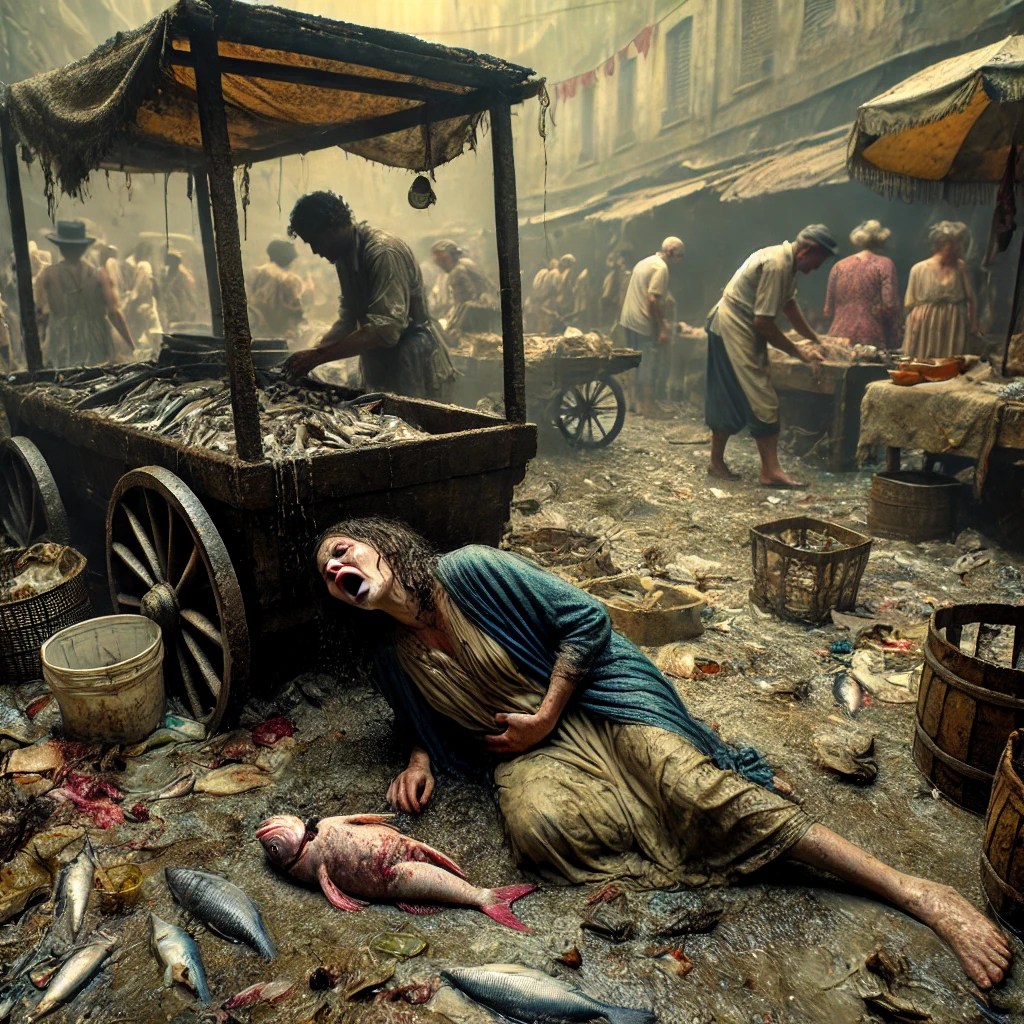
Set in 18th-century France, Perfume follows Jean-Baptiste Grenouille from his squalid birth in a Parisian fish market to his rise as a master perfumer—and ultimately, a murderer. Grenouille is unique: he is born with no personal scent, yet possesses an extraordinary olfactory ability, allowing him to identify and replicate any aroma. His obsession? Capturing the perfect scent, an essence that will grant him power over humanity. This fixation leads him to murder young women with divine natural fragrances, distilling their essence in a twisted quest for transcendence.
The novel builds toward a climax of near-biblical proportions, culminating in one of the most grotesque and surreal finales in literary history. Grenouille’s fate is a chilling reflection of his life’s work—both a triumph and a grotesque irony that leaves readers simultaneously horrified and mesmerized.
At its core, Perfume is an exploration of isolation, obsession, and the paradoxical nature of genius. Grenouille is an outsider in every sense: unloved, unwanted, and fundamentally inhuman. His lack of personal scent mirrors his lack of identity and morality, reinforcing his role as a monster in human skin. Yet, he is not merely a villain—he is a tragic figure whose unparalleled talent makes him terrifyingly compelling.
The novel also critiques the Enlightenment era, portraying it as an age of supposed rationality yet rife with filth, hypocrisy, and cruelty. Süskind juxtaposes the period’s intellectual advances with its visceral, decaying underbelly, making Grenouille both a product and a condemnation of his time.

Süskind weaponizes scent as a narrative device, using it to define characters, settings, and even fate. Grenouille’s lack of scent symbolizes his disconnection from humanity, while the fragrances of his victims signify innocence, youth, and the ephemeral nature of beauty. The final perfume he creates is the ultimate paradox: a scent so divine it causes those who smell it to adore him—yet it fails to fill the void within him.
Additionally, perfume serves as an allegory for power and illusion. Just as a fragrance can mask reality, Grenouille’s skill allows him to manipulate others into seeing what is not truly there. His mastery over scent makes him almost godlike, yet he remains utterly alone, proving that control over others cannot compensate for the absence of self.
Süskind’s prose has unparalleled sensory detail. His descriptions of scent are so vivid that readers can almost smell the putrid streets of Paris, the delicate floral notes of a victim’s skin, or the heady aroma of Grenouille’s final creation. Few authors have wielded the sense of smell so powerfully, transforming it from a mere descriptive tool into the foundation of an entire novel.
The novel’s tone is both lyrical and grotesque, alternating between poetic beauty and unsettling horror. Süskind employs an omniscient narrator who oscillates between detached observation and near-hypnotic immersion, pulling the reader deeper into Grenouille’s odyssey of obsession.

Strengths:
- Unique Concept: The use of scent as the primary sensory experience is unparalleled in literature, making Perfume a singular reading experience.
- Grenouille as a Character: He is neither hero nor antihero, but something entirely different: a force of nature, devoid of morality yet utterly fascinating.
- Historical Immersion: Süskind’s portrayal of 18th-century France is immersive and unflinchingly visceral, transporting readers to a world both beautiful and repugnant.
- Masterful Prose: The writing is hypnotic, evoking an almost synesthetic experience in the reader.
Critiques (not so much critiques but warnings about elements that may be divisive to some):
- Detached Narrative: Some readers may find the novel’s tone too cold, making it difficult to form an emotional connection with Grenouille.
- Lack of Traditional Suspense: While the novel is undeniably disturbing, it lacks the tension of a traditional thriller, relying instead on atmosphere and inevitability.
- The Ending: The climax, while thematically brilliant, is so surreal that it may alienate readers who prefer more conventional resolutions.

Four decades after its publication, Perfume remains a haunting, intoxicating masterpiece. Süskind’s genius lies in crafting a novel that is at once historical fiction, horror, and philosophical meditation—a work that, like scent itself, is both ephemeral and unforgettable. While its cold detachment and bizarre conclusion may not appeal to all, the novel’s sheer originality and evocative power make it a must-read for fans of gothic horror and psychological thrillers. If you’re looking for a novel that will enthrall, disturb, and consume you with its atmosphere, Perfume is a scent worth inhaling—even if it might leave you gasping.



Published February 26, 1985


 The Blog Without a Face
Leave a comment