
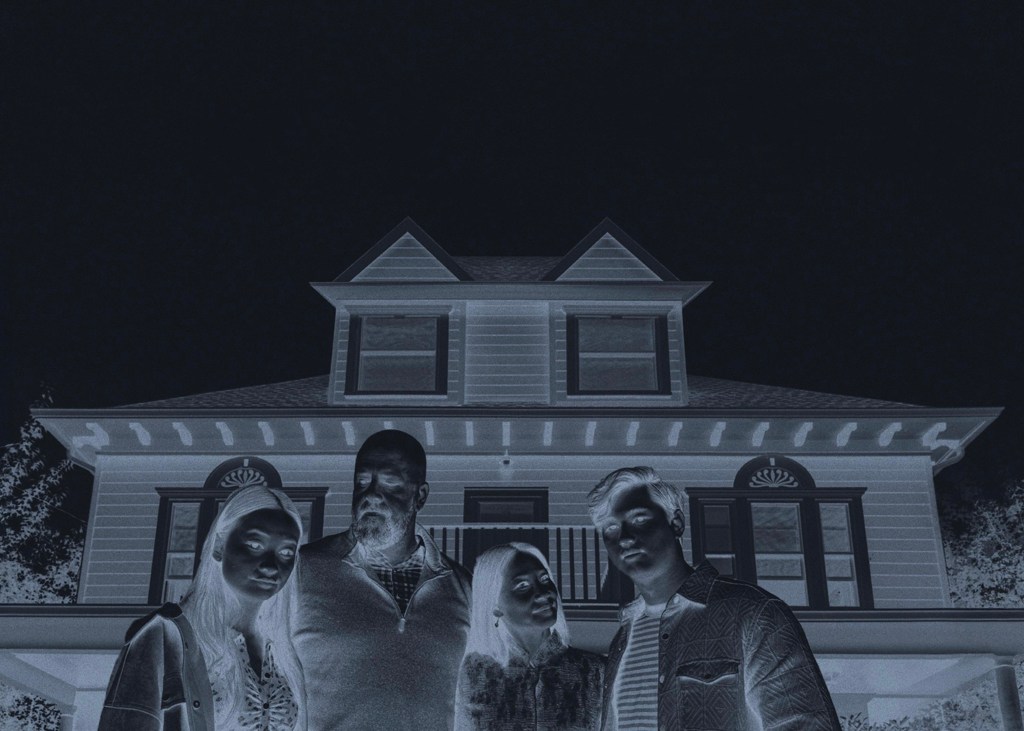

A Steven Soderbergh flick about a haunted house?! I’m fuckin down y’all. While I’ve shared my thoughts about how well-worn haunted house movies and books are – this film is proof that it can still feel fresh, innovative, and, dare I say, hauntingly beautiful. With a camera that plays both storyteller and ghost, this is not your typical “bump in the night” horror flick. Instead, Presence combines technical ingenuity, emotional depth, and sly humor into a supernatural drama.
The conceit here is simple yet captivating: the entire movie is shot from the point of view of the titular ghost. Through the lens of Soderbergh’s camera—operated by the director himself under his pseudonym Peter Andrews—we float, drift, and skulk through the family’s lives. It’s voyeuristic, intimate, and deeply immersive, putting you in the shoes (or ectoplasm) of the spirit.
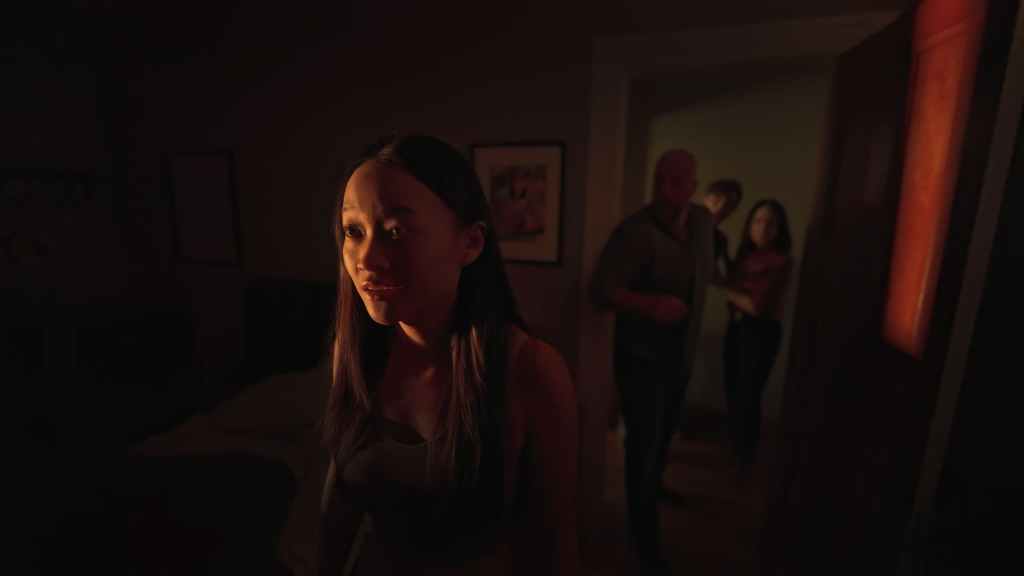
The camera doesn’t just observe; it emotes. Every twitch, pan, and glide communicates curiosity, concern, or tension. Soderbergh has often been a director who thrives on experimentation, and here, he transforms the camera into a character in its own right. I’ve seen many levy criticisms of gimmickry, but I honestly found this to be a clever idea with fascinating visual storytelling, proving that sometimes, the less you show, the more compelling the story becomes.
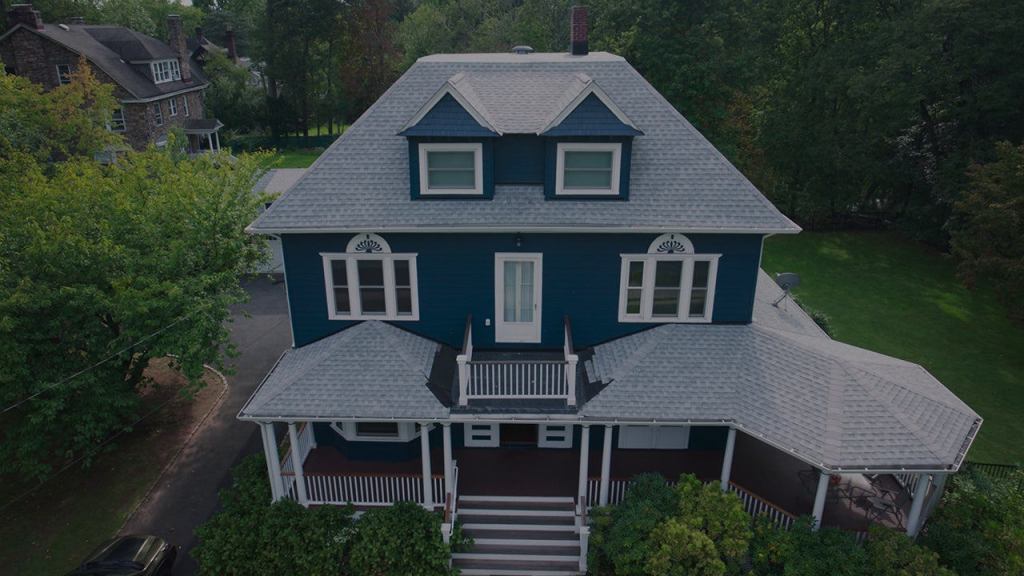
The story follows the Payne family as they move into a beautiful Craftsman-style home with more than its share of secrets. Rebecca (Lucy Liu) is the hard-charging matriarch, laser-focused on her son Tyler’s athletic success while neglecting her sensitive daughter Chloe (Callina Liang). Chris (Chris Sullivan; I Trapped the Devil, Morgan) is the affable, slightly overwhelmed dad trying to keep the peace. Tyler (Eddy Maday) is the golden child with a real nasty streak, and Chloe, still grieving the overdose death of her best friend, is the heart of the story—and the first to sense the ghost’s presence.
The family dynamics are a perfect blend of tension and tenderness, with each character bringing a unique perspective to the unfolding drama. Rebecca’s moral compromises, Tyler’s burgeoning cruelty, and Chloe’s fragile resilience create a relatable and raw web of conflicts.
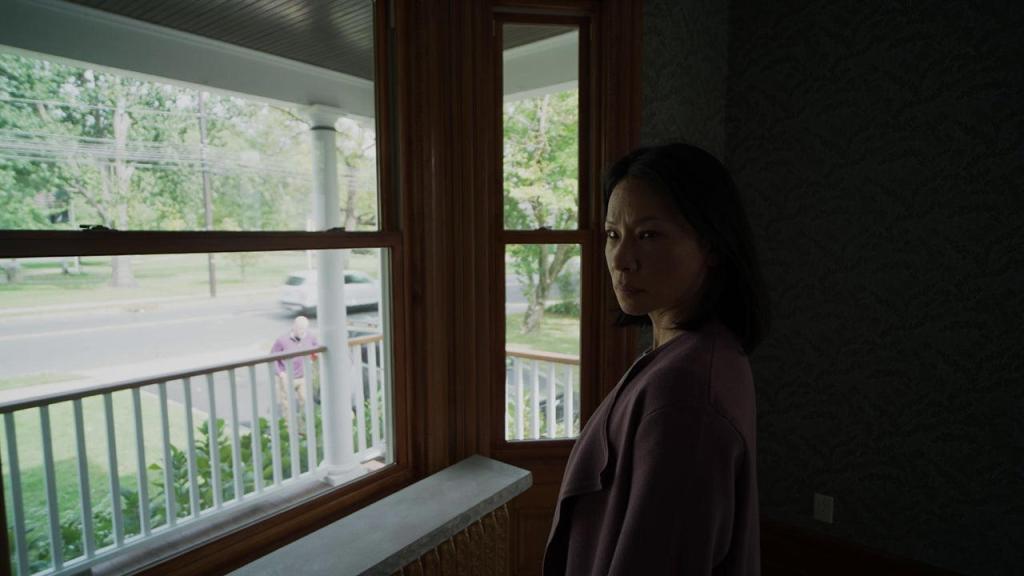
While Presence might be marketed as a horror film, it’s far more interested in exploring human emotions than delivering cheap scares. At its core, this is a story about grief, love, and the invisible forces—both literal and figurative—that bind us together. Chloe’s journey is especially poignant as she navigates her own emotional turmoil while forming a quiet, almost symbiotic relationship with the ghost.
Soderbergh and screenwriter David Koepp infuse the film with a sense of melancholic inevitability, crafting a narrative that’s as much about personal reckoning as it is about paranormal activity. As one critic noted, “The ghost’s POV becomes a metaphor for the family’s fractured dynamic and their inability to confront their own shit,” and it’s this layered storytelling that elevates Presence above some of its genre peers.
Lucy Liu is outstanding as Rebecca, bringing nuance and complexity to a character who could’ve easily been a caricature of the overbearing mom. Callina Liang’s Chloe is a revelation, delivering a performance that’s both restrained and deeply emotional. Chris Sullivan provides a warm, grounded counterpoint as Chris, while Eddy Maday’s Tyler strikes just the right balance between confidence and vulnerability. And let’s not forget the “performance” of the camera itself. Soderbergh’s ghost-eye view is skillfully executed representing an extension of the story’s themes, adding layers of meaning to every scene.
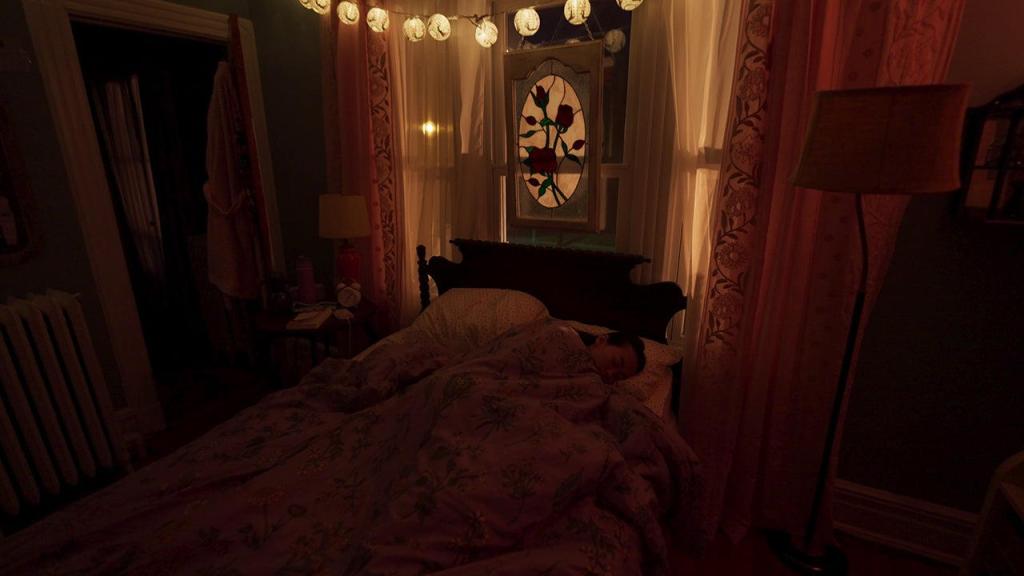
Soderbergh’s technical mastery is on full display here. The single-take scenes, punctuated by cuts to black, create a rhythmic, almost hypnotic experience. Zack Ryan’s score adds to the atmosphere, with haunting melodies that heighten the tension without overpowering the story. The sound design, too, is impeccable, making every creak, whisper, and flickering light feel like a character in its own right.
Presence is a meditation on the human condition. The ghost serves as both a literal presence and a metaphorical lens through which we view the Payne family’s struggles. Themes of grief, morality, and emotional fragility are woven seamlessly into the narrative, making this a film that resonates on multiple levels. The story also takes a subtle but significant step forward for representation, centering an Asian American family in a genre that’s often dominated by familiar archetypes.
Sure, no film is perfect. Some subplots—like Rebecca’s shady business dealings—are underexplored, and the pacing can be uneven at times. While admittedly different, the major beats of the film feel significantly reminiscent of Koepp’s 1999 film, Stir of Echoes. But these are minor quibbles in a film that’s otherwise quite original and emotionally resonant.
Steven Soderbergh’s Presence is a lovely blend of technical innovation and emotional storytelling. It’s a ghost story with heart, a family drama with depth, and a filmmaking experiment that largely pays off. Whether you’re a horror aficionado or a Soderbergh fan looking for something new, this is worth checking out. Presence stands out as a bold, beautiful, and hauntingly human film.


Our Rating
Director: Steven Soderbergh
Writer: David Koepp
Distributor: Neon
Released: January 17, 2025

Kill Count = 2
Ryan and Tyler fly through a second floor window to their deaths.
 The Blog Without a Face
Leave a comment