

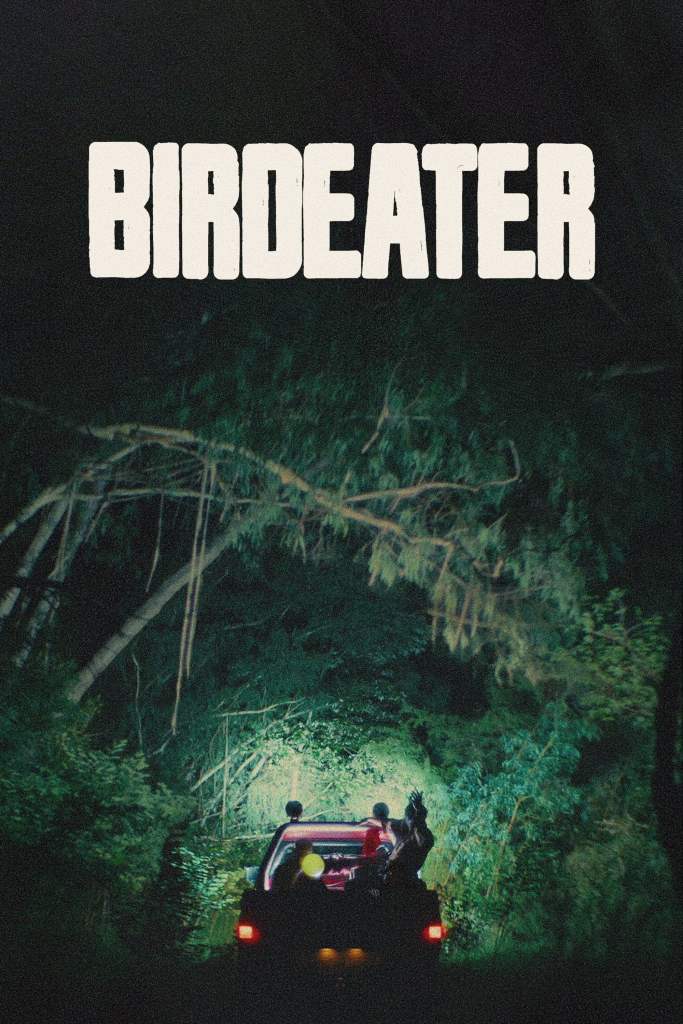
If Birdeater teaches us anything, it’s that Australian cinema isn’t afraid to shove a mirror in your face and force you to confront some deeply uncomfortable truths—like what happens when toxic masculinity is left to marinate in the isolation of the bush. The debut feature from co-directors Jack Clark and Jim Weir is a feral (learned that one from the marketing!), unrelenting spiral into the worst-case scenario of a buck’s party gone wrong. Equal parts homage to the Aussie cult classic Wake in Fright and a cautionary tale about unchecked male behavior, Birdeater is a beautifully chaotic mess that veers between brilliance and frustration. But let’s set something straight. Categorization of movies isn’t ideal, but while the film’s themes are horrific, this is more of a black drama as opposed to a true horror flick. Just want to make sure you approach this with appropriate expectations.
Jack Clark and Jim Weir clearly have a knack for style. Their direction in Birdeater is remarkable for its tension-building, even if the payoff doesn’t always land. You can see their influences plastered all over the screen, from the ominous nod to Wake in Fright in an early shot to the surreal, drug-fueled descent that channels Panos Cosmatos. Yet, despite the pastiche, the film feels undeniably their own. The directors tackle themes like toxic masculinity, emotional abuse, and the veneer of camaraderie with a surgical precision that’s as uncomfortable as it is captivating.
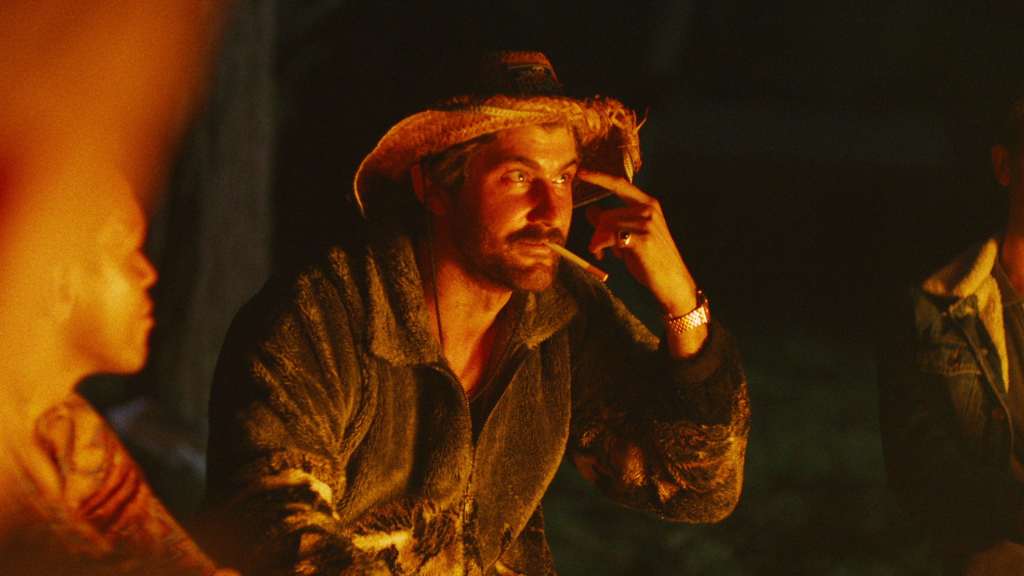
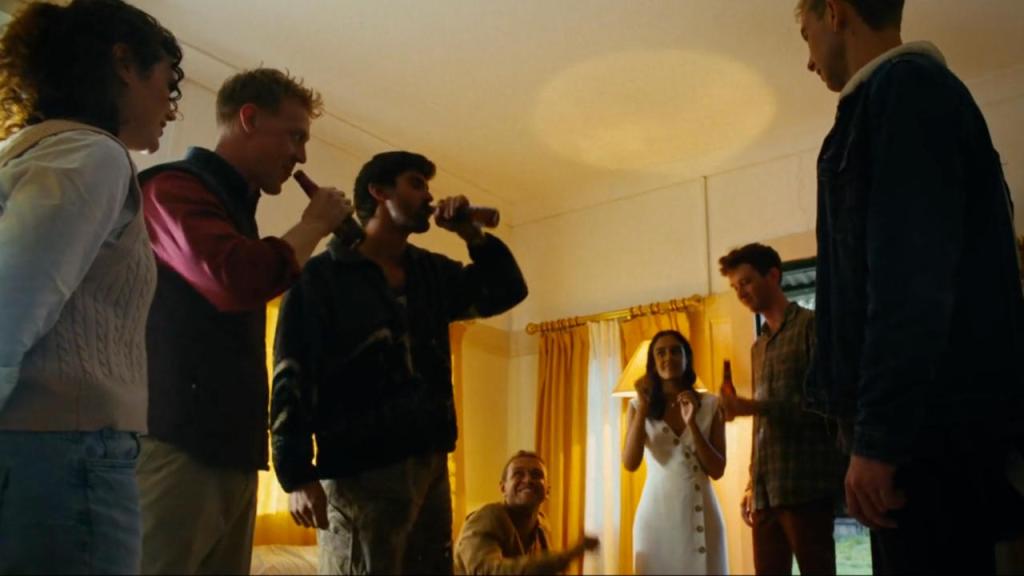
The setup is deceptively simple. Louie (Mackenzie Fearnley), a charming-but-controlling “nice guy,” invites his anxious fiancée Irene (Shabana Azeez) to his bucks party—a bizarre decision that immediately sets off red flags. Joining them are Louie’s old mates: the boisterous Dylan (Ben Hunter), the conservative Charlie (Jack Bannister) and his girlfriend Grace (Clementine Anderson), Murph (Alfie Gledhill), and Irene’s friend Sam (Harley Wilson).
The party begins with awkward smiles and thinly veiled resentments before descending into a drug-and-alcohol-fueled nightmare. Games become cruel, secrets are spilled, and relationships fracture under the weight of lies, jealousy, and ego. By the time the group’s primal instincts take over, it’s clear this isn’t just a party—it’s a reckoning.
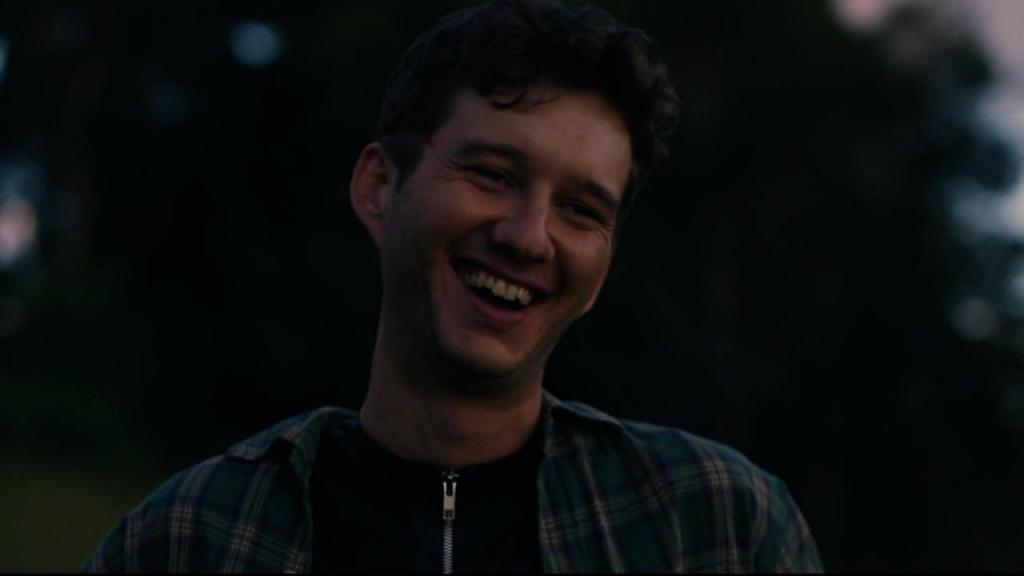
At its core, Birdeater is a scathing critique of “boys will be boys” culture. The film dissects how male camaraderie—often lauded as a pillar of Australian identity—can mask and enable toxic behaviors. Dylan, with his “no bad vibes” t-shirt and penchant for spiking drinks, embodies the unfiltered id of the group. Louie’s charm hides a manipulative streak, while Charlie’s pious demeanor crumbles under pressure. These characters aren’t caricatures; they’re painfully real archetypes, and the film holds them accountable in ways that feel both damning and cathartic.
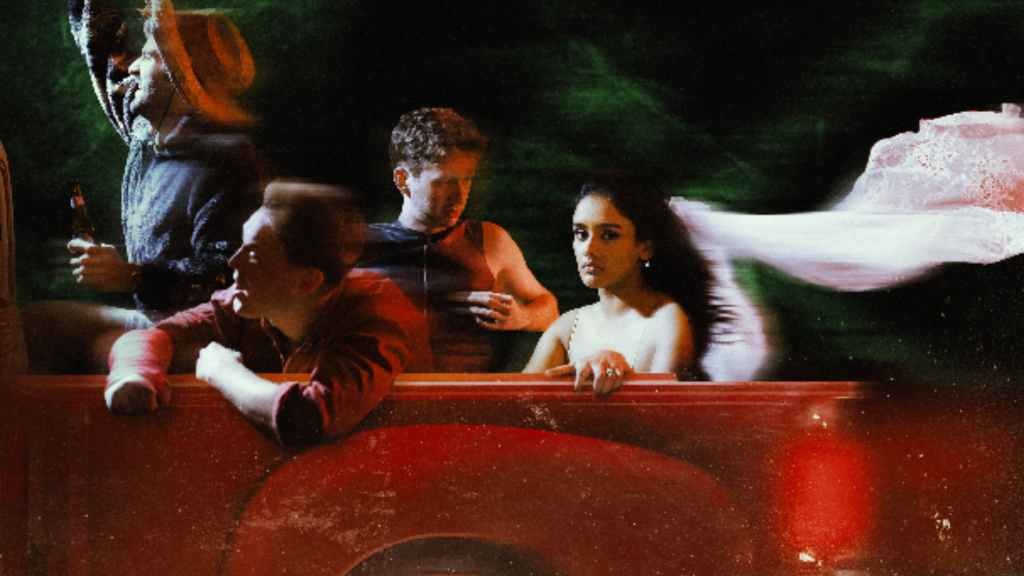
Gender dynamics also take center stage. Irene and Grace are deliberately sidelined by the men, yet their presence destabilizes the group in ways that reveal its fragility. The film’s most harrowing moments aren’t acts of violence or cruelty but the quiet power struggles that expose the rot beneath the surface.
The cast delivers standout performances across the board. Shabana Azeez’s Irene is beautifully restrained, portraying a woman trapped by anxiety and manipulation with heartbreaking nuance. Mackenzie Fearnley shifts seamlessly between affable and menacing as Louie, while Ben Hunter’s Dylan is the chaotic lynchpin that keeps the tension simmering. Clementine Anderson brings depth to Grace, whose quiet rebellion adds a much-needed counterbalance to the testosterone-fueled chaos.
Roger Stonehouse’s cinematography captures the Australian bush in all its foreboding glory. The sprawling landscapes and oppressive darkness become a psychological battleground, amplifying the characters’ isolation and descent into madness. Whether it’s the surreal glow of a campfire or the disorienting chaos of a drunken chase, every frame feels meticulously crafted to unsettle and intrigue.
Jack Clark’s script is both the film’s strength and its Achilles’ heel. The dialogue crackles with authenticity, and the slow unraveling of secrets keeps you hooked. However, the characters sometimes feel more like vehicles for the film’s themes than fully realized individuals. Irene, despite Azeez’s stellar performance, is given little agency, and the revelations about her past feel more like plot devices than meaningful insights.
The pacing is another issue. The first half expertly builds tension through awkward interactions and ominous foreshadowing, but the second half leans too heavily on surrealism and chaos, losing some of the emotional weight in the process even if it is still effectively distressing.
Birdeater excels in creating an atmosphere of dread. From the unnerving but gorgeous score by Andreas Dominguez to the razor-sharp and laudable editing by Ben Anderson, the film keeps you on edge from start to finish. Its exploration of masculinity is incisive, and its willingness to push boundaries—both thematically and stylistically—is commendable.
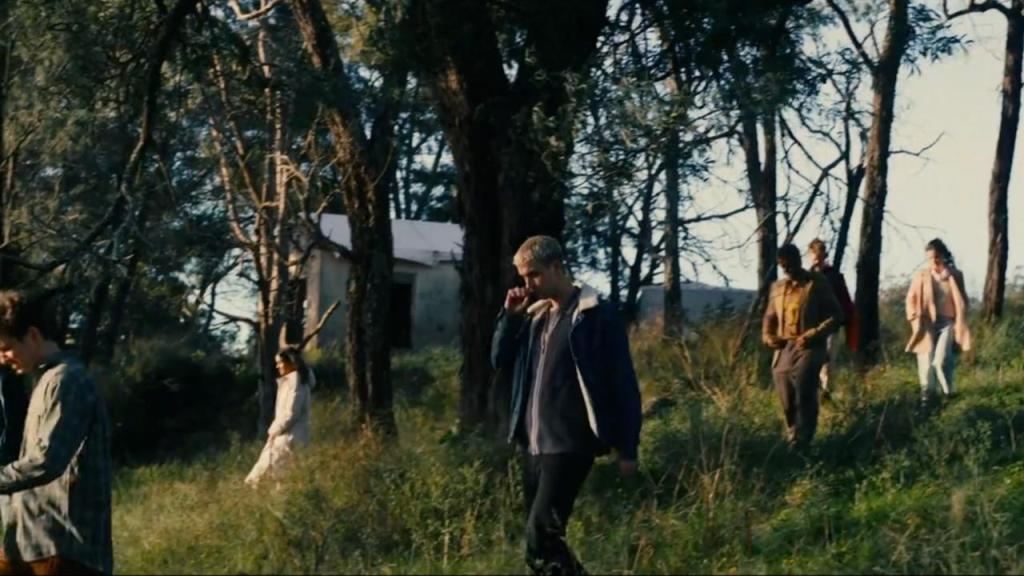
For all its strengths, Birdeater occasionally stumbles under the weight of its own ambition. The surrealist elements, while visually stunning, sometimes detract from the narrative’s emotional core. The lack of resolution for certain characters and themes leaves the film feeling incomplete, as if it’s more interested in posing questions than providing answers – I suppose this is okay though.
The film’s marketing as a horror-thriller also sets up expectations it doesn’t quite meet. While the psychological horror is effective, those expecting visceral scares or a traditional slasher narrative may leave disappointed.
Birdeater is an audacious debut that cements Jack Clark and Jim Weir as filmmakers to watch. It’s a visceral, thought-provoking exploration of toxic masculinity that’s as uncomfortable as it is compelling. While its uneven pacing and underdeveloped characters hold it back from greatness, its ambition and artistry make it a must-watch for fans of psychological thrillers and Australian cinema.
So, should you brave the bush for Birdeater? Absolutely. Just don’t expect an easy ride—this is a film that’ll leave you unsettled, unnerved, and questioning what it means to be a “mate.”


Our Rating
Director: Jack Clark, Jim Weir
Writer: Jack Clark
Distributor: Dark Sky Films
Released: January 10, 2025

 The Blog Without a Face
Leave a comment