Welcome to the 2024 Horror Film Gauntlet, where we ruthlessly rank all the spine-tingling, blood-splattering, scream-inducing films of the year. This isn’t some snooty critic circle where we talk about “artistic vision” and “cinematography” — hell no. We’re here to tell you which flicks are gonna make you shit your pants and which ones are just as scary as your Aunt Edna’s bland potato salad at Thanksgiving.
From slasher trash to artsy psychological mindfucks, we’re diving in headfirst, no flashlight, into the dark corners of 2024’s horror world to separate the scream kings and queens from the chaff. Buckle up, because things are about to get wild, and probably a little bloody. If you think our initial reviews/ratings will give away the ranking, think again! To try our best to avoid recency bias, we’ve revisited all these flicks. Enough jabber, let’s rank these bad boys. But before we get into the horror flicks, we’ve got a few important flicks to highlight that are horror-adjacent but, nonetheless, recommended.
Noteworthy Horror-Adjacent Films
Defining a “horror” movie these days feels like trying to nail Jell-O to the wall—messy. To a point it’s certainly subjective and bound to cause some debate. The genre has shapeshifted, sprawling its creepy tendrils into thriller, drama, sci-fi, and even comedy, creating a deliciously murky landscape of “horror-adjacent” films. These movies may not deliver traditional scares, but they masterfully channel unease, dread, and that distinct hair-raising vibe. Some purists might take issue with what I’ve included (or left out)—but hey, tough luck! The blurred boundaries are what make this era of cinema so exciting. So, grab some popcorn and prepare for a list that might haunt you in unexpected ways. First, let’s highlight some of the notable flicks I didn’t think completely fit on the horror list.
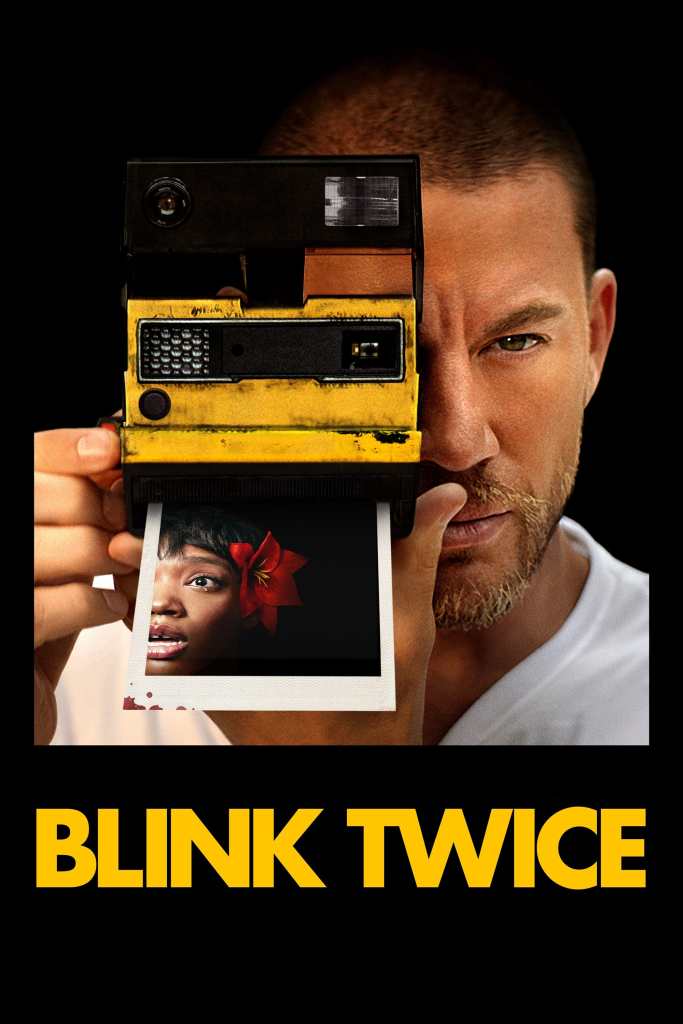
Blink Twice is a glossy debut that feels like a cinephile’s fever dream—ambitious, stylish, and unapologetically derivative. Zoë Kravitz borrows liberally from her favorite filmmakers, stitching together a visually lush but thematically uneven puzzle-box thriller that entertains more than it enlightens. While the film may lack a distinctive personal voice, its clever pacing and compelling performances suggest Kravitz is a director worth watching as she continues to refine her cinematic vision.
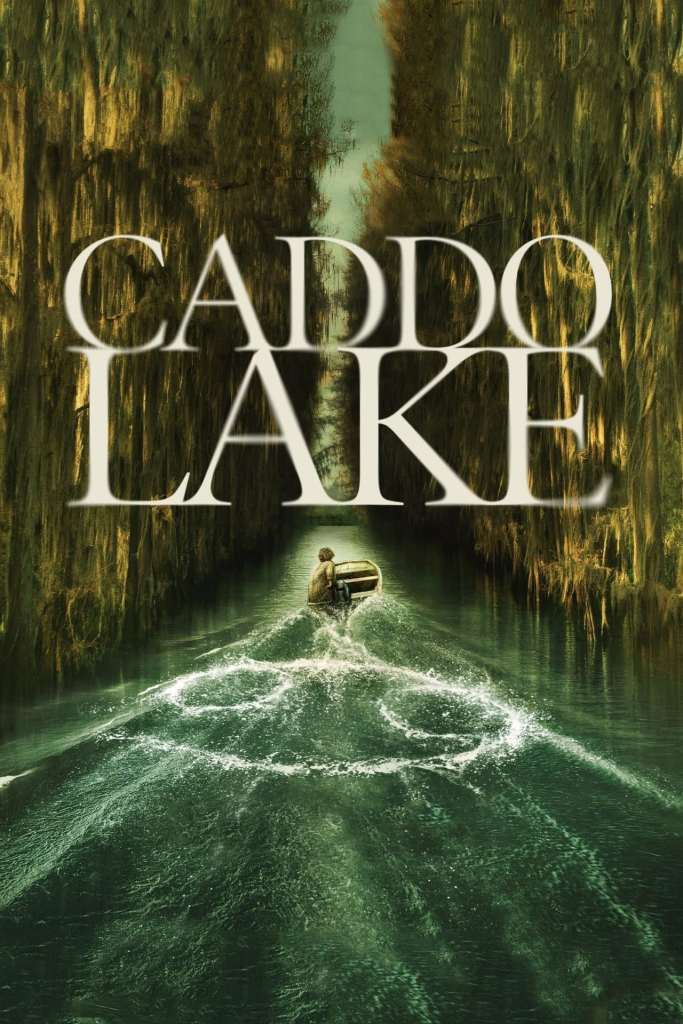
Caddo Lake is a film that thrives on the unknown, weaving a tangled narrative that’s more about emotional resonance than logical clarity. Anchored by Dylan O’Brien and Eliza Scanlen’s compelling performances, the movie embraces its chaotic twists, daring viewers to follow its path through grief, mystery, and the eerie pull of its titular setting. While the finale leans a bit too hard on exposition, the film’s willingness to eschew convention and let its characters—and its audience—sit in the ambiguity makes it an unsettling and memorable watch.

The Devil’s Bath deftly subverts expectations, presenting a folk horror aesthetic stripped of the supernatural and steeped in grim historical realism. Veronika Franz and Severin Fiala craft a suffocating world where religious fervor, societal oppression, and psychological despair converge, leaving the viewer with dread that feels disturbingly tangible. Anchored by Anja Plaschg’s haunting performance, the film’s stark imagery and relentless atmosphere make its grounded horrors more unsettling than any phantom could ever be.
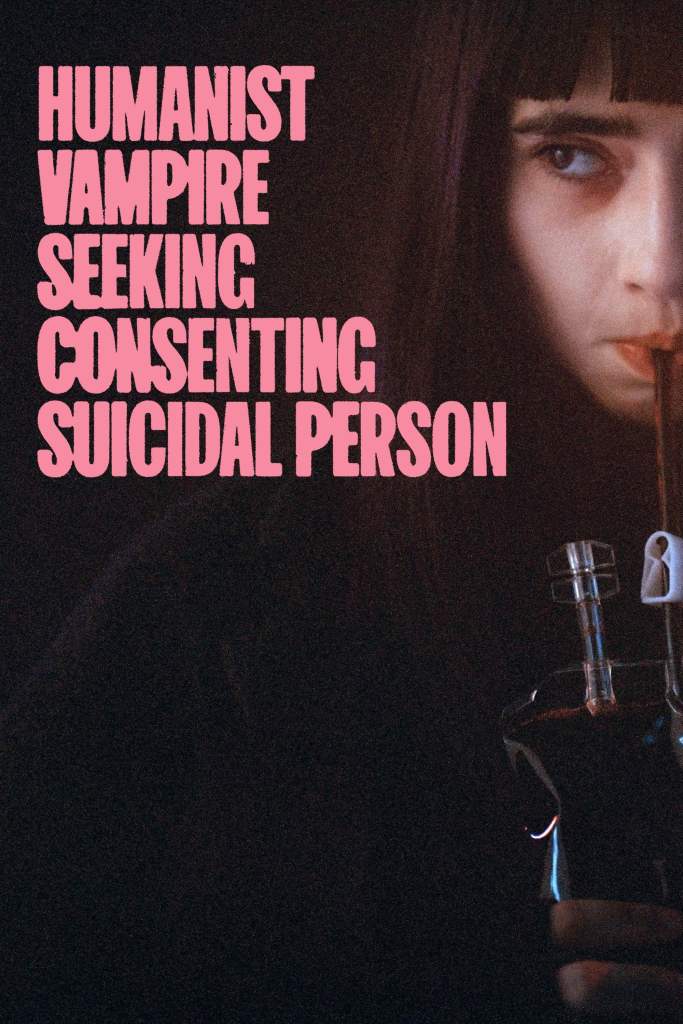
Humanist Vampire Seeking Consenting Suicidal Person is a darkly comedic and unexpectedly tender twist on the vampire genre, blending teen angst with existential dilemmas in a fresh, stylish way. Sara Montpetit shines as Sasha, an empathetic vampire struggling with morality, while Félix-Antoine Bénard’s portrayal of the tortured Paul complements her perfectly. With sharp writing, stunning visuals, and a balance of humor and heavy themes, this film is a must-watch for anyone craving something both offbeat and heartfelt.
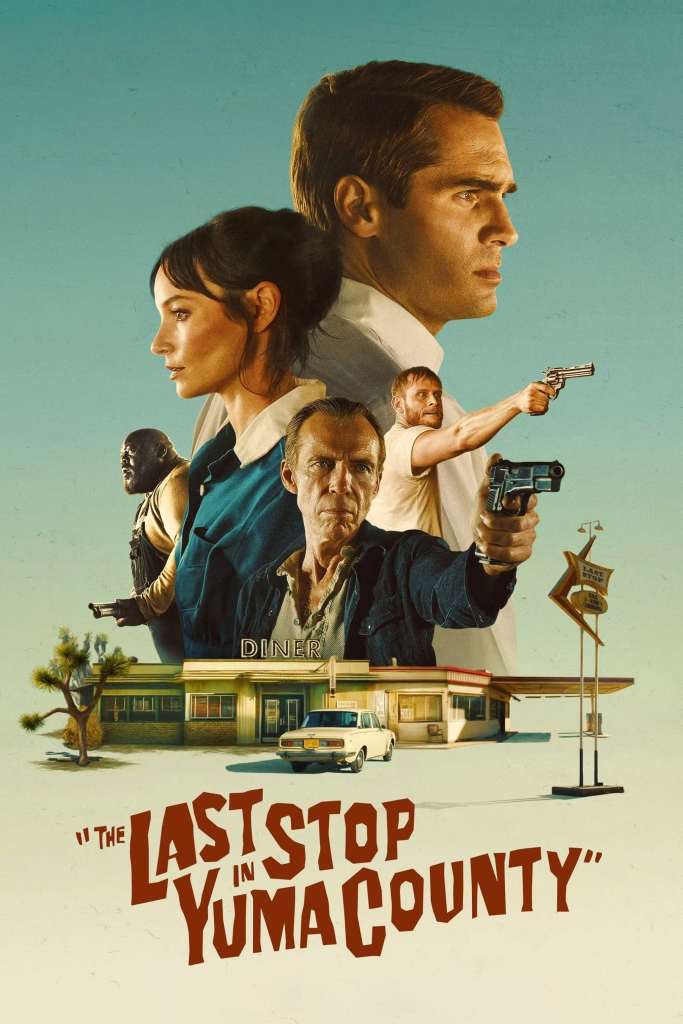
The Last Stop in Yuma County is a sharp, sun-scorched debut from Francis Galluppi that blends Tarantino-style thrills with Coen-esque dark humor, set in a dusty diner that serves as a metaphor for America’s simmering chaos. The cast, led by a shape-shifting Jim Cummings and a menacing Richard Brake, delivers memorable performances in a tense standoff that’s equal parts violent and hilarious. While it leans heavily on its influences, Galluppi’s confident style and bold choices announce him as a director to watch.

Love Lies Bleeding is a gripping blend of obsession, romance, and raw ambition, set against the intense world of female bodybuilding. Kristen Stewart and Katy O’Brian deliver electrifying performances, grounding a visually stunning, blood-soaked thriller that explores love’s sweaty, complex, and occasionally violent nature. While the ending feels rushed, Rose Glass’s sophomore effort flexes her talent for crafting compelling, genre-defying narratives that prove indellible.

Red Rooms is a slow-burning courtroom drama that drags you into the moral muck of true crime obsession, making you complicit in its chilling, voyeuristic gaze. Pascal Plante’s sterile direction, paired with Vincent Biron’s icy cinematography and Dominique Plante’s anxiety-inducing score, creates a world of unsettling tension and existential dread. With Juliette Gariépy’s detached performance as Kelly-Anne and Laurie Babin’s chaotic turn as Clementine, this film is a haunting mirror for anyone who’s ever indulged their dark-web curiosities or true crime fixations.
THE BAD
Flaming Pile

71. Winnie the Pooh: Blood and Honey II continues to take a wild concept—turning childhood icons into sadistic killers—and somehow manages to make it feel lifeless and uninspired. While the initial sight of a murderous Pooh and Piglet draws a few chuckles, the film’s clunky pacing, dim lighting, and one-note characters quickly sap any potential for horror or humor. It’s a novelty idea stretched far too thin, better suited for a drunken group watch than any serious attempt at entertainment – unfortunately, this stupid fucking trend won’t end any time soon.
Garbage

70. Imaginary stumbles between horror and whimsical fairy tale, delivering a tale of haunted teddy bears and family drama that’s more lukewarm than terrifying. DeWanda Wise does her best as Jessica, a children’s author battling a marshmallow-soft antagonist named Chauncey, but the film’s identity crisis and reliance on clichés leave it feeling uninspired. While it flirts with interesting ideas and moments of comedy, the movie ultimately struggles to balance scares and substance, making it better suited for a mild, distraction-free evening.
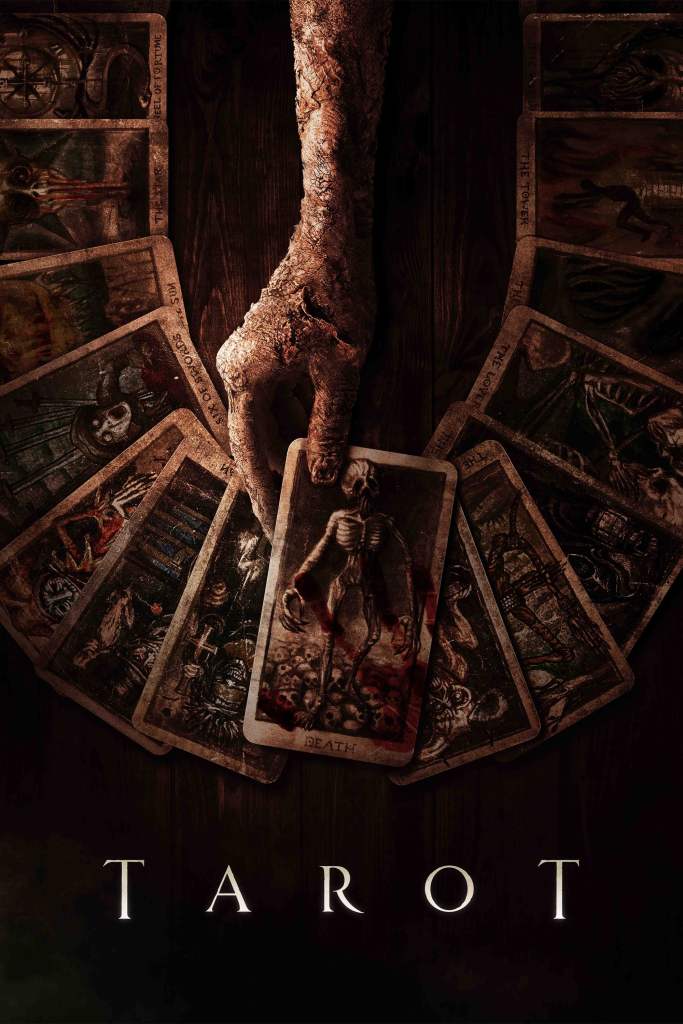
69. Tarot squanders its intriguing premise and striking creature designs with an over-reliance on predictable jump scares, shallow characters, and a script that feels like a checklist of horror clichés. While the tarot card villains are visually impressive, poor lighting and lazy storytelling waste their potential, leaving the audience bored rather than terrified. With a lackluster plot and cringeworthy dialogue, this film is more a test of patience than a chilling horror experience.
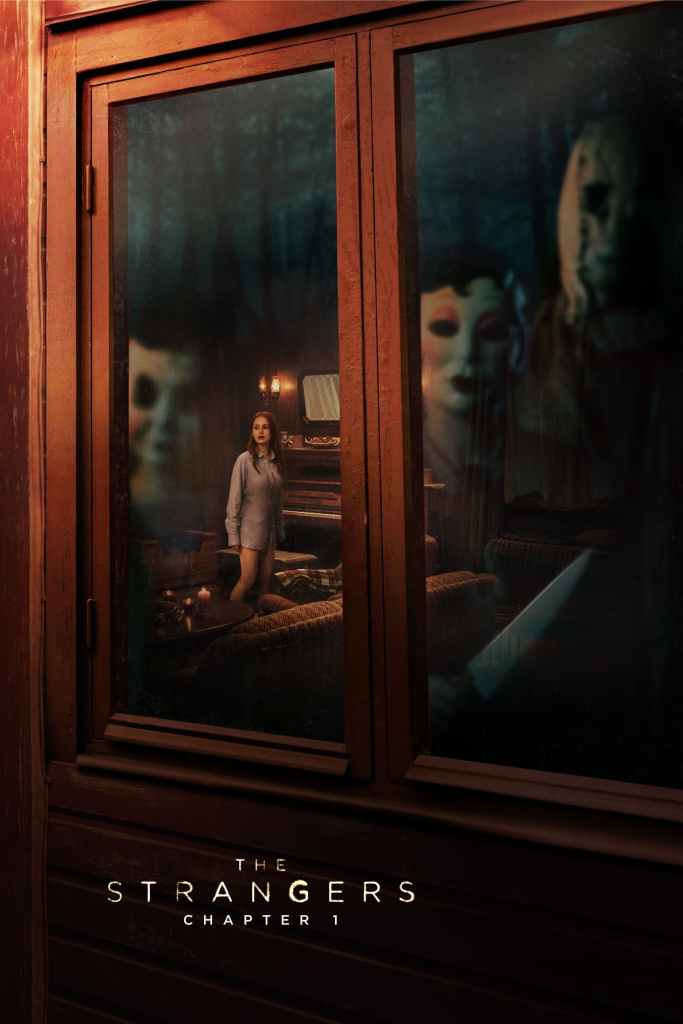
68. The Strangers: Chapter 1 is a lackluster rehash of the 2008 original, delivering none of the tension, originality, or scares that made the franchise a cult classic. Renny Harlin’s attempt at suspense falls flat with predictable plot beats, dumb character decisions, and ineffective jump scares that fail to evoke even mild dread. While the film teases a broader conspiracy for future installments, this underwhelming entry feels like a cash grab, leaving little hope for the rest of the trilogy… we’ll see how things play out.

67. Kill Your Lover tackles toxic relationships through the lens of body horror, blending emotional decay with physical transformation in a grungy, punk-infused setting. While Paige Gilmour and Shane Quigley Murphy deliver compelling performances, the film falters with underwhelming effects and missed opportunities to lean fully into its grotesque premise. Despite its ambition and tight pacing, the lack of convincing visuals and over-reliance on a thin central metaphor leave it feeling more frustrating than frightening.
Cringeworthy
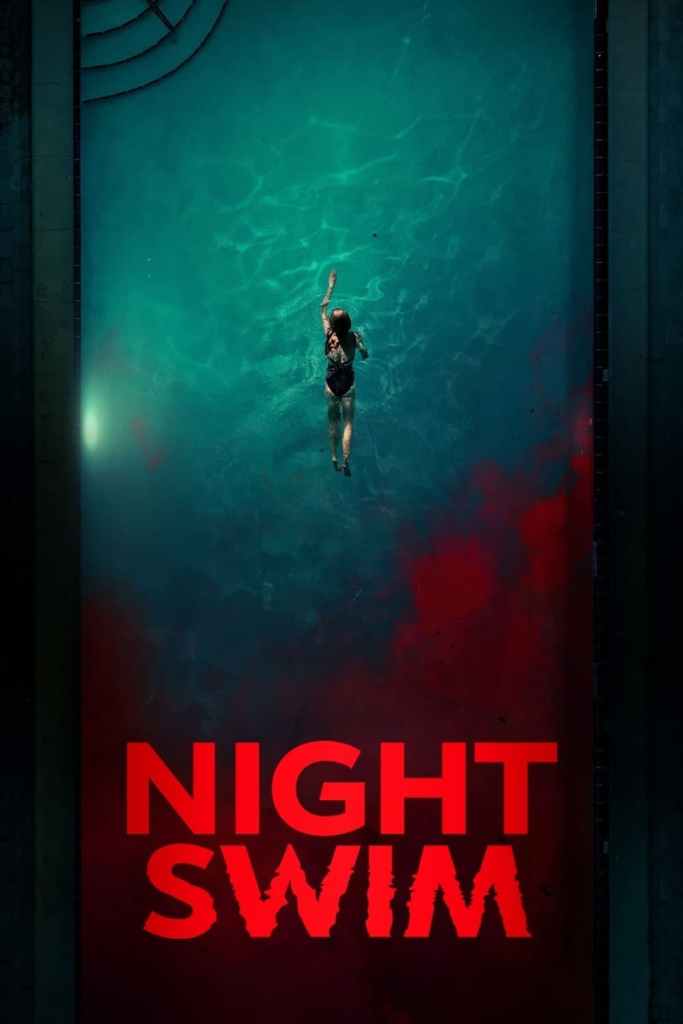
66. Night Swim feels like a relic from the 2000s, drowning in clichés and predictable scares despite a promising premise. Kerry Condon and Wyatt Russell do their best to salvage the soggy script, but the shallow narrative flounders between uninspired suburban terror and unintentional comedy. With its underwhelming villain reveal and tonal inconsistencies, this aquatic horror barely makes a splash, leaving viewers comfortably dry and unimpressed.

65. Night Shift starts with promise, delivering strong performances and a spooky motel atmosphere, but it quickly devolves into a muddled mix of clichés and missed opportunities. While Phoebe Tonkin shines as the troubled Gwen, the film’s reliance on a tired twist and vague supernatural elements undercuts any real tension or originality. Despite its intriguing setup and occasional moments of suspense, Night Shift ultimately feels like a forgettable entry in the bargain bin of indie horror.

64. The Deliverance is a chaotic blend of melodrama, horror, and ham-fisted morality that swings wildly between unintentionally hilarious and deeply uncomfortable. Lee Daniels’ heavy-handed approach to faith, abuse, and redemption often feels more like an unintentional parody than a serious exploration of its themes. While its bizarre climax offers flashes of unhinged entertainment, the rest of the film stumbles under a muddled script and tone-deaf execution that struggles to balance spectacle with substance.

63. Hostile Dimensions opens a door to infinite possibilities but promptly trips over the welcome mat. While its concept of a mysterious portal conjuring worlds based on thought is undeniably intriguing, the film’s lackluster execution—complete with tedious pacing, lifeless characters, and headache-inducing found-footage tropes—makes it a slog to sit through. Despite flashes of creativity, this low-budget effort feels more like a missed opportunity than an exploration of cosmic horror, leaving viewers longing for an escape hatch of their own.
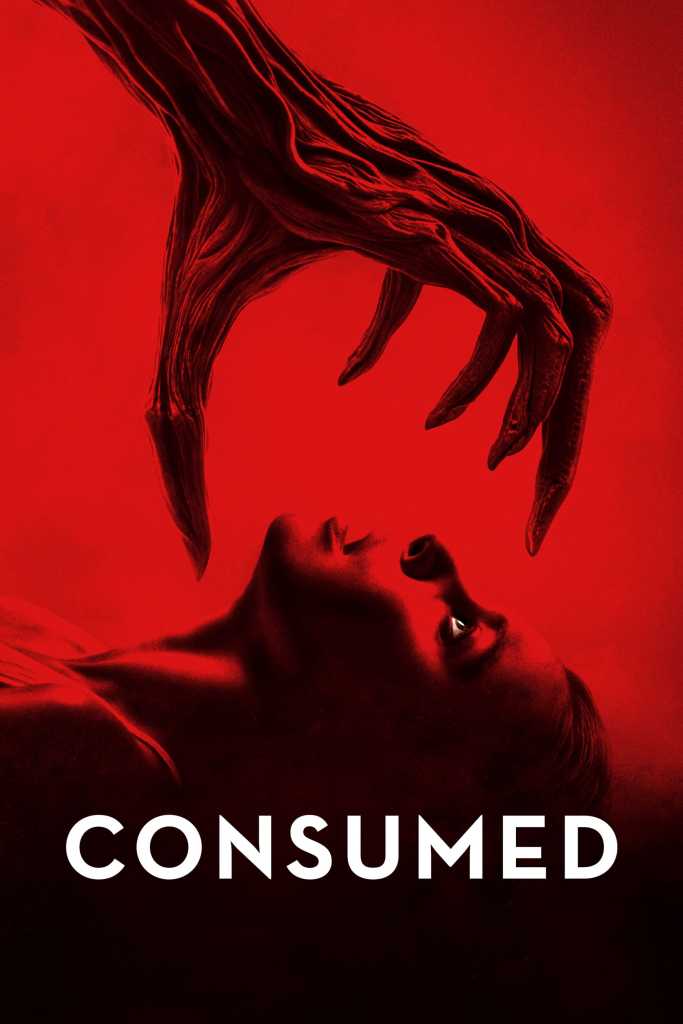
62. Consumed teases a compelling mix of creature-feature horror and marital drama but quickly loses steam under clunky dialogue and underdeveloped characters. While Courtney Halverson delivers a solid performance as a woman grappling with trauma, the film’s lack of chemistry and uneven focus make its emotional stakes feel shallow. Even the modest creature effects can’t save Consumed from its meandering pacing and squandered potential, leaving it as forgettable as the tracks in the woods.
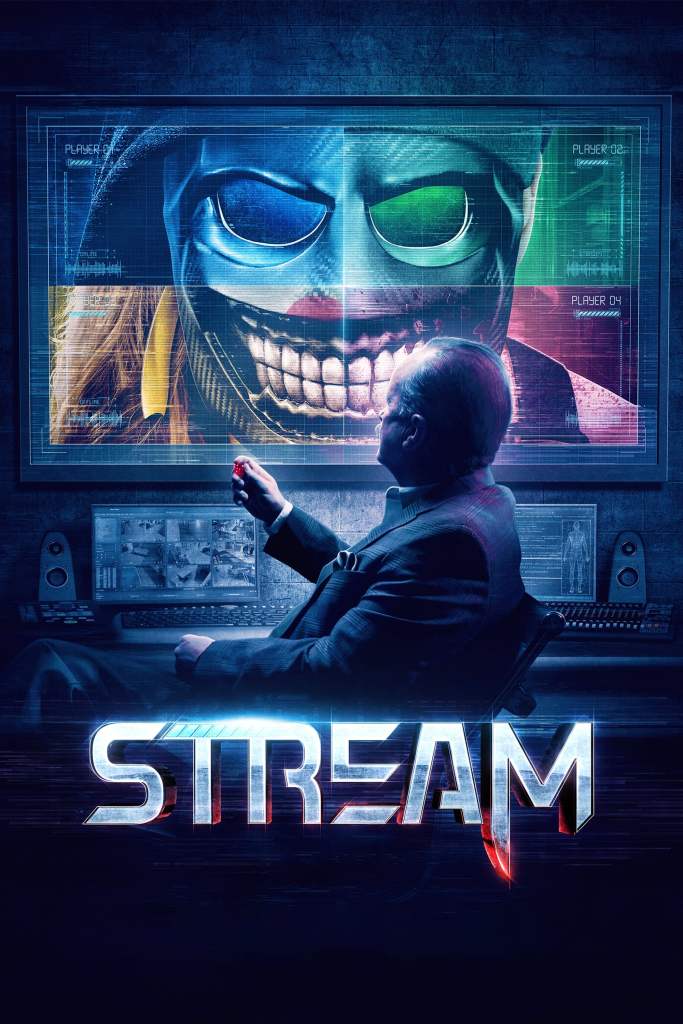
61. Stream tries to balance gory spectacle with emotional stakes but ends up drowning in its bloated runtime and undercooked characters. While the practical effects and over-the-top kills showcase a clear affection for the horror genre, the lack of a cohesive narrative and sluggish pacing make it feel more like a disjointed highlight reel than a fully realized film. It’s an occasionally fun, blood-soaked mess that could have been much stronger with tighter editing and sharper storytelling.
Not Missing Anything
if You Pass
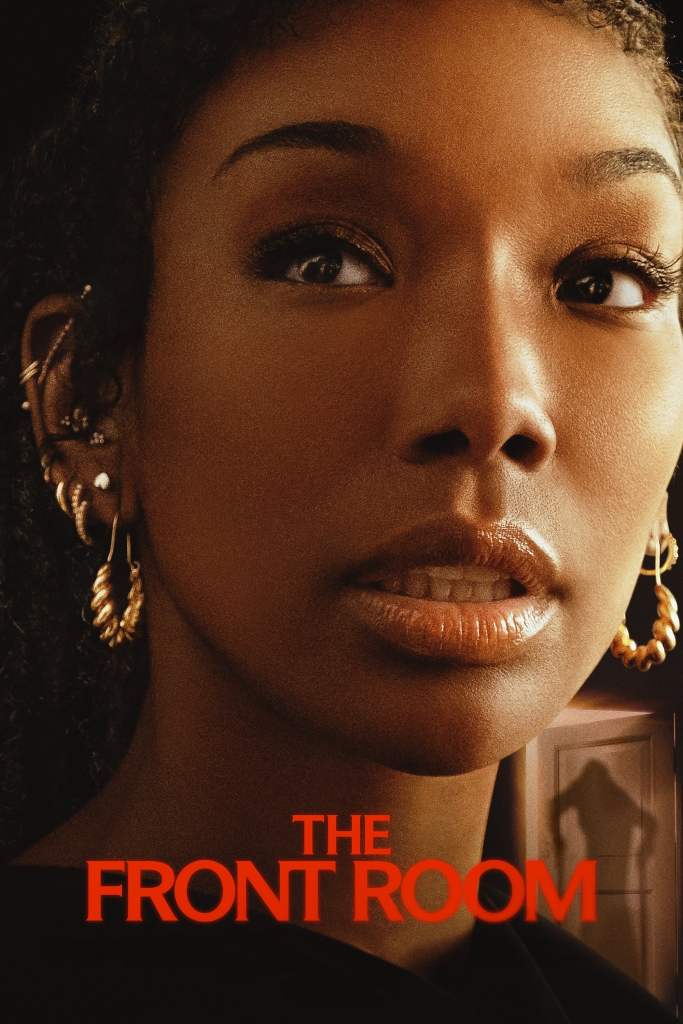
60. The Front Room flirts with absurdity and surrealism but ultimately leans too heavily on gross-out humor and one-dimensional characters to leave a lasting impression. Kathryn Hunter’s standout performance as the vile, manipulative Solange elevates the film, but the lack of nuance in its supporting cast and a script that prioritizes shock over substance keep it from resonating emotionally or thematically. While the Eggers brothers show a willingness to take risks, the result feels like an uneven debut that’s more frustrating than provocative.
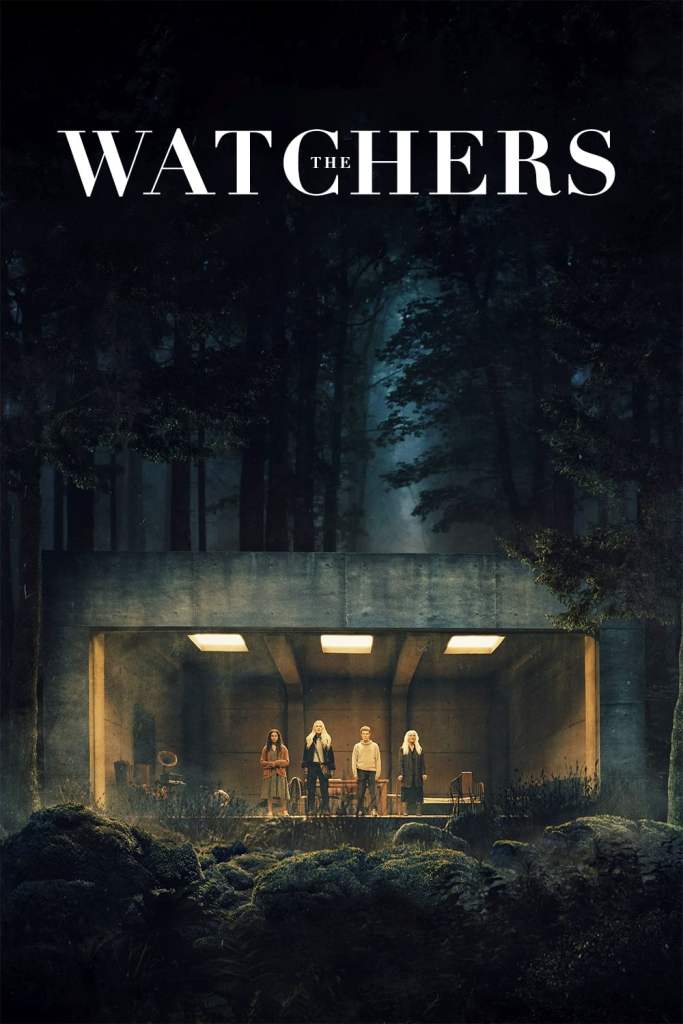
59. The Watchers aims high but falters under the weight of its own ambitions, delivering a muddled blend of suspense and scattered thematic gestures. Ishana Night Shyamalan’s directorial debut is visually arresting at times, with a haunting forest backdrop and unsettling creature designs that tease a darker, more cohesive film. However, its heavy-handed exposition, uneven pacing, and underwhelming performances reduce what could have been a taut thriller into an overlong exercise in untapped potential.

58. Never Let Go showcases Alexandre Aja’s flair for crafting tension, but its ambitious mix of survival horror and supernatural intrigue ultimately leaves more questions than answers. Halle Berry delivers a riveting performance as a fiercely protective mother navigating a perilous, otherworldly threat, though the film’s underdeveloped mythology and ambiguous stakes weaken its emotional resonance. While visually striking and atmospherically rich, Never Let Go feels like a gripping concept that loses its grip as it struggles to tie its many threads together.

57. Thine Ears Shall Bleed aims for slow-burn religious horror with stunning Montana landscapes and Hannah Cabell’s grounded performance as its emotional anchor. While its eerie sound design and atmospheric visuals shine, the sluggish pacing and underwhelming script leave the film very frustrating. Despite hints of promise, it never fully delivers on its chilling premise, making it a lukewarm entry into the indie horror scene.

56. Trim Season delivers a refreshingly unique blend of supernatural horror, social commentary, and dark comedy, set against the eerie backdrop of California’s Emerald Triangle. Ariel Vida’s directorial debut shines with atmospheric visuals, strong performances—especially Jane Badler’s chilling turn as Mona—and a rich thematic core exploring exploitation, desperation, and power dynamics. While the film occasionally falters with pacing issues and underdeveloped secondary characters, its compelling premise and immersive tension make it a fun watch for fans of indie horror.
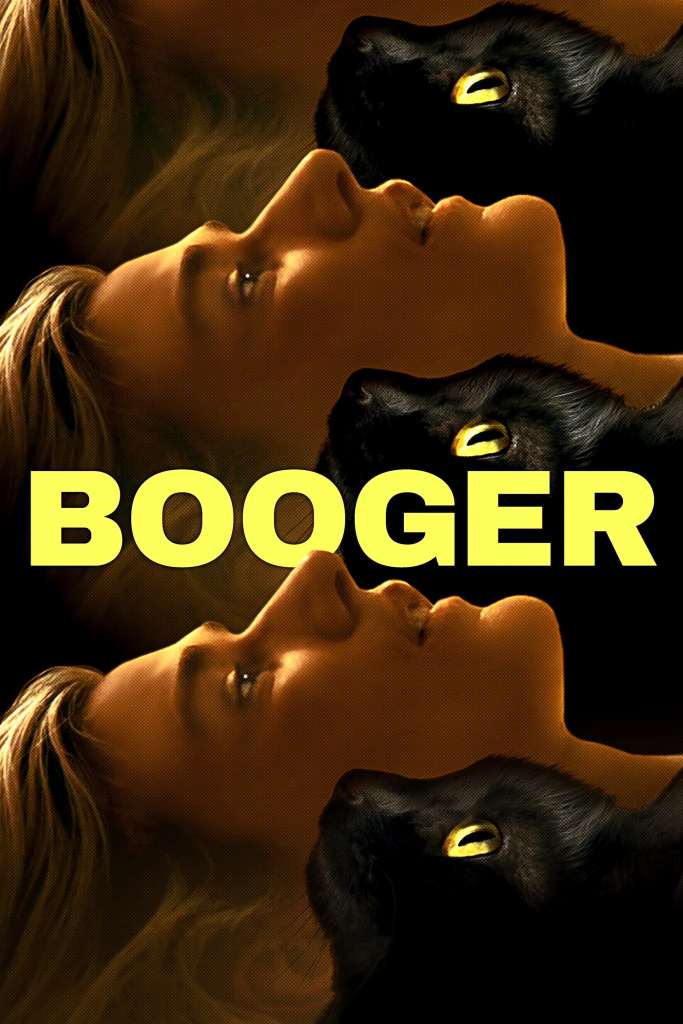
55. Booger is a grief-fueled fever dream of body horror, cat memes, and unsettling humor that’s as weird as it sounds. Grace Glowicki delivers an unhinged performance as Anna, whose spiral into feline madness is both darkly funny and deeply gross, but the film’s uneven tone struggles to balance poignant grief with chaotic absurdity. While it feels like it should’ve been a sharp 30-minute short, its scrappy indie charm and moments of bizarre brilliance hint at an exciting future for director Mary Dauterman.
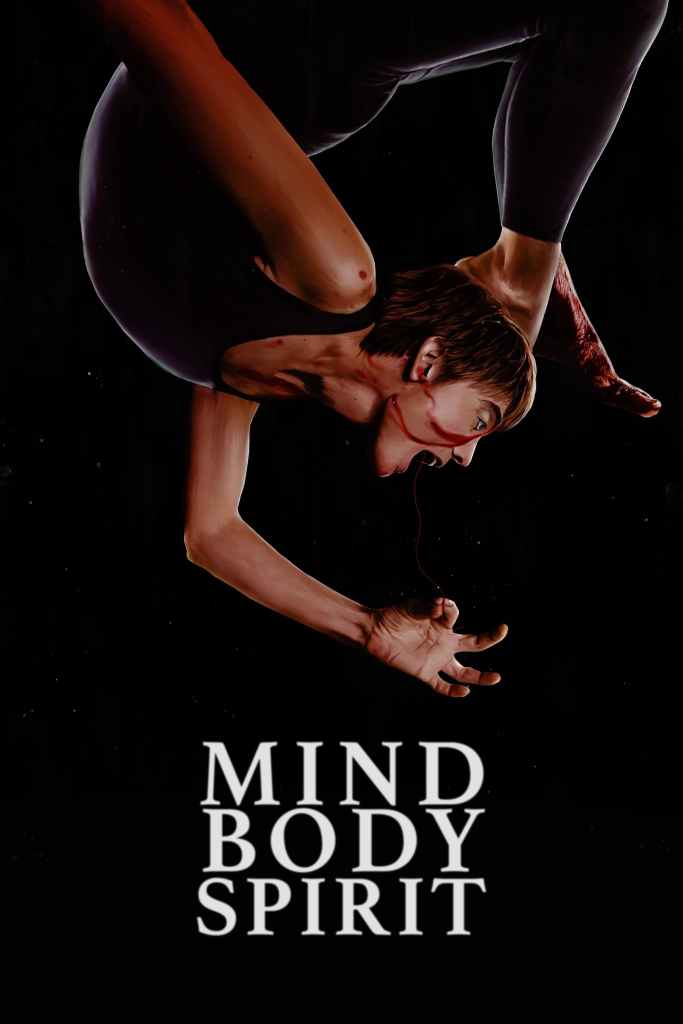
54. Mind Body Spirit blends influencer culture with supernatural occult horror in a found footage format, delivering an entertaining but uneven experience. Sarah J. Bartholomew shines as Anya, capturing the desperation of a fame-hungry YouTuber spiraling into madness, though the predictable plot and underdeveloped backstory hold the film back. While it boasts clever visuals and eerie tension, its reliance on genre clichés and inconsistent execution keeps it from truly standing out.

53. Faceless After Dark is a bold, messy dive into toxic fandom, industry critique, and revenge fantasy, anchored by Jenna Kanell’s raw and unhinged performance as the deeply flawed Bowie. While its neon-soaked visuals and heavy themes offer moments of striking commentary, the uneven script and grating protagonist make it a challenging watch. Ambitious but muddled, it’s a horror film that’s as likely to frustrate as it is to provoke thought.

52. Blackout is an ambitious, gritty take on the werewolf mythos that blends social commentary, small-town drama, and classic monster horror. Larry Fessenden’s direction shines with raw atmosphere and practical effects, while Alex Hurt delivers a so-so performance as the tortured Charley. Though the film’s pacing and overstuffed plot occasionally falter, its indie charm and bold themes make it a compelling, if uneven, addition to Fessenden’s horror legacy.

51. Doctor Jekyll delivers a fascinating concept and an engrossing performance from Eddie Izzard but falters under a flimsy script and uneven execution. Izzard’s nuanced portrayal of Nina Jekyll and her darker counterpart is the film’s undeniable highlight, but the surrounding story struggles to balance its campy allure with a more profound exploration of its themes. While the gender-swapped spin on a classic tale holds potential, the film’s muddled pacing and lack of narrative focus leave it feeling like an intriguing experiment that never quite reaches its full potential.
THE DECENT-TO-GOOD
You Might Enjoy It if
You’re a Genre Fan
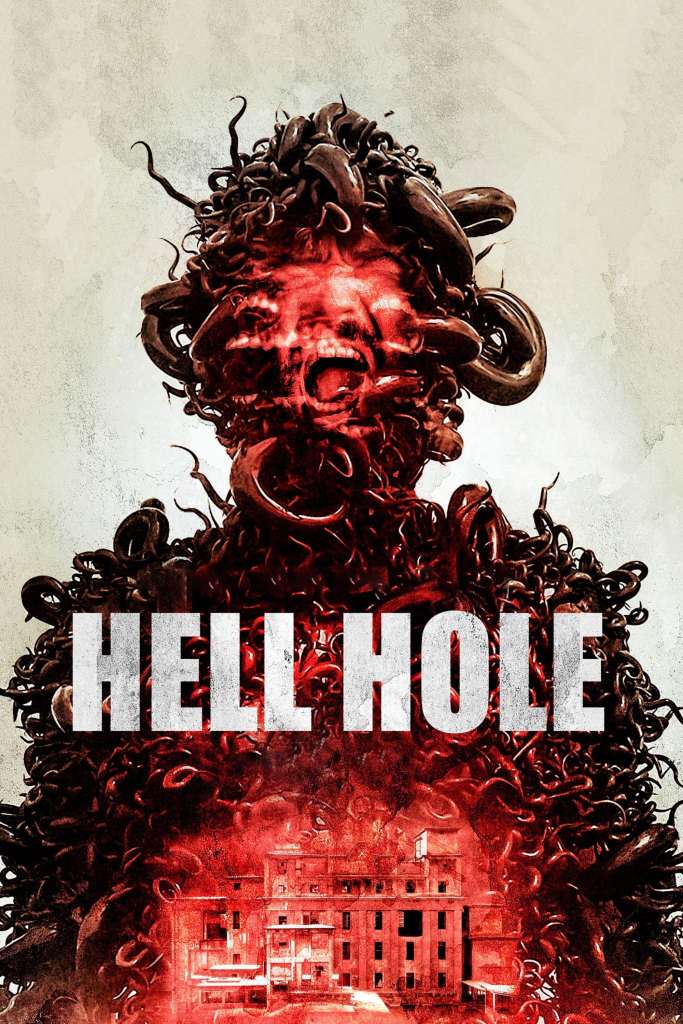
50. Hell Hole blends The Thing, Evil Dead, and eco-commentary into a slimy creature feature that’s as messy as it is entertaining. While Toby Poser shines as the frazzled leader caught between eco-warriors, drillers, and a tentacled monster, the film stumbles with inconsistent humor and over-reliance on CGI. Despite its missed potential, the goopy effects and chaotic premise make it a fun, low-expectations watch for gore lovers.

49. Mr. Crocket leans into 90s nostalgia with its twisted take on a children’s show gone deadly, but its execution lacks the charm to match its concept. While Nolasco’s menacing performance as the titular character and the eerie puppet designs offer brief highlights, the film is bogged down by sluggish pacing and underdeveloped storytelling. Despite its intriguing premise, Mr. Crocket feels more like an unfinished episode than a fully fleshed-out nightmare, leaving viewers longing for the magic it teases but never delivers.

48. Trap is classic M. Night Shyamalan: a mix of intriguing ideas, bizarre plot twists, and uneven execution. Josh Hartnett delivers a commendable performance, but the film struggles with wooden acting, on-the-nose dialogue, and a plot that careens into absurdity. While entertaining in its own chaotic way, it ultimately falls short of being memorable or cohesive, leaving viewers bewildered rather than wowed.
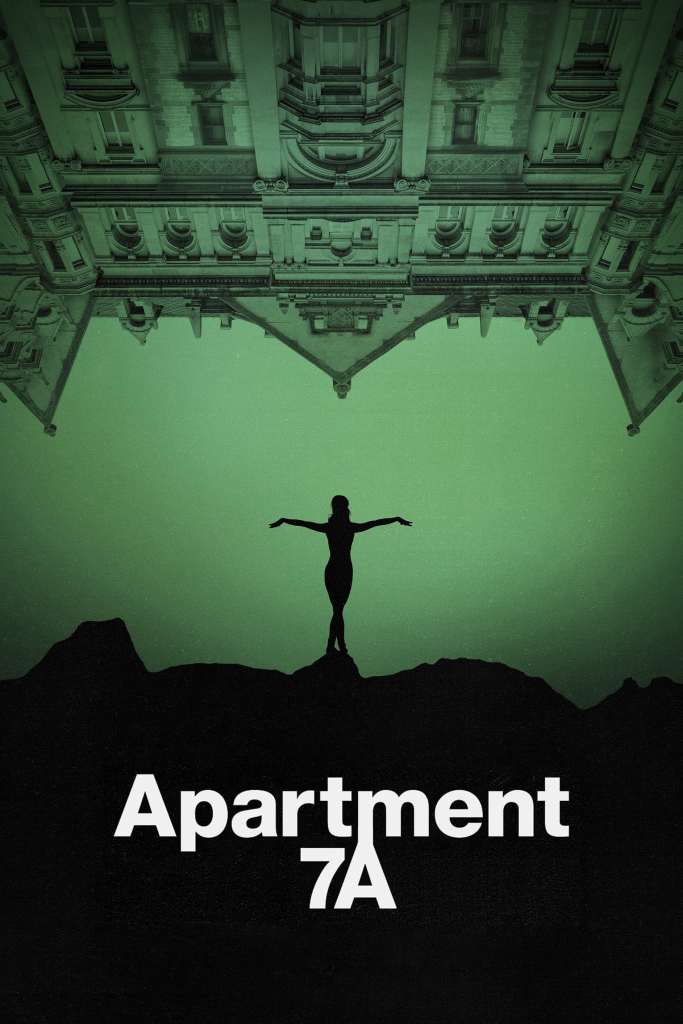
47. Apartment 7A feels like a stylish stumble, where Julia Garner’s magnetic performance is overshadowed by the story’s predictable beats and lackluster tension. While Dianne Wiest delivers a devilishly delightful turn as Minnie, the film’s modern aesthetic clashes with the atmospheric dread of its predecessor, leaving more of a streaming flick impression than a spine-chilling legacy piece. Despite glimpses of brilliance, the movie ultimately fails to escape the long shadow of Rosemary’s Baby, settling for superficial scares over substantive storytelling.
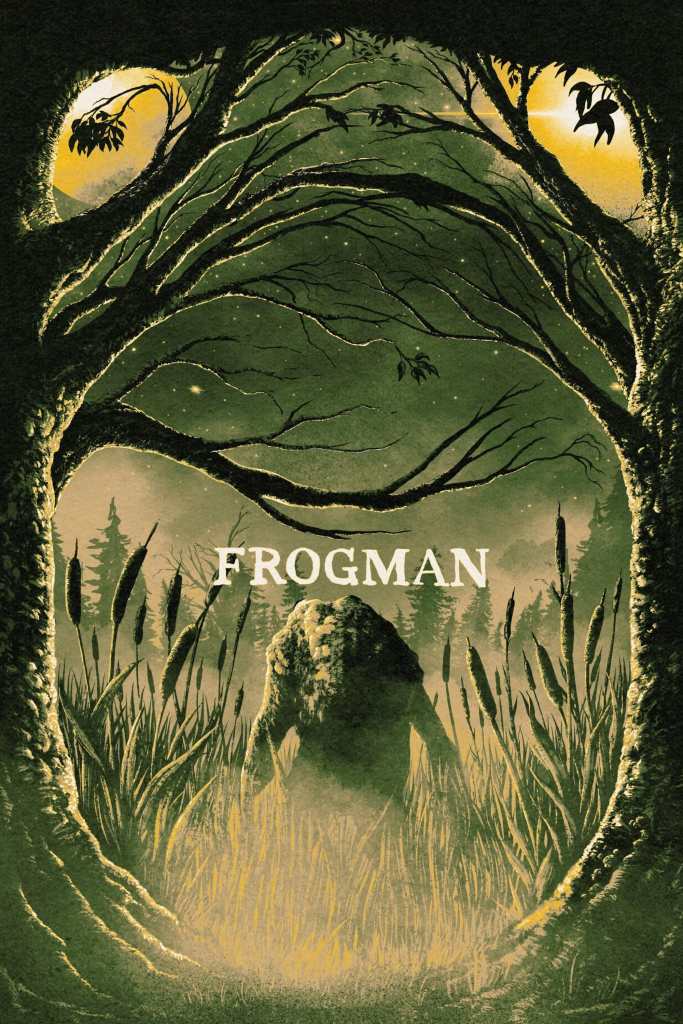
46. Frogman offers a witty, atmospheric dive into the underexplored lore of the Loveland Frogman, blending humor, horror, and heartfelt character dynamics. Directed by Anthony Cousins, the film balances its absurd premise with eerie practical effects and genuine performances, though its overuse of found footage tropes and occasional underdeveloped threads detract slightly from the experience. Despite its imperfections, Frogman is a refreshingly fun and self-aware addition to the cryptid horror genre, delivering more charm and scares than expected.
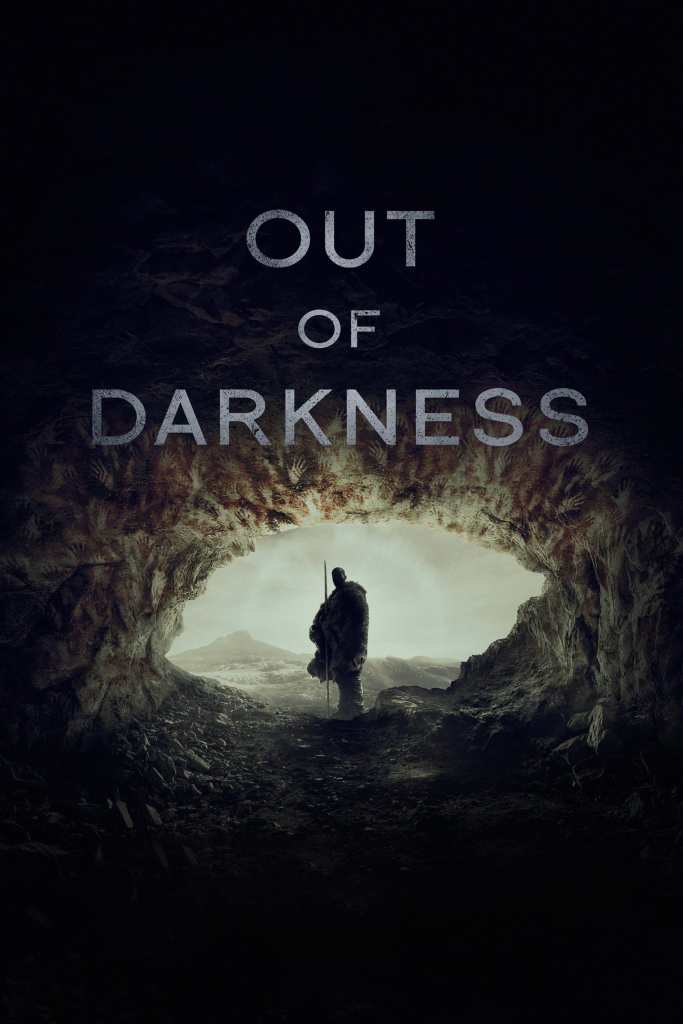
45. Out of Darkness is a visually arresting and thematically ambitious film that uses the stark beauty of the Scottish Highlands to craft a haunting prehistoric tale of survival and human nature. Director Andrew Cumming leans into psychological horror and historical fiction, delivering an immersive experience with its invented language, Tola, and layered performances, particularly Safia Oakley-Green’s standout turn as Beyah. While the film’s narrative wades into fascinating territory by revealing the “creature” as **CENSORED**, it leaves several plot threads unresolved and leans too heavily on a misanthropic message, making it an intriguing yet uneven exploration of humanity’s ancient fears and flaws.

44. Double Blind traps its characters—and its audience—in a gripping nightmare where sleep means death, delivering a taut, high-concept thriller with echoes of superior films. Pollyanna McIntosh anchors the film with a chilling performance, while Ian Hunt-Duffy’s direction crafts a suspenseful atmosphere that thrives within the constraints of its sterile, claustrophobic setting. Though it doesn’t fully plumb the psychological depths of its premise, its relentless pace and nostalgic horror roots keep the tension high and the audience wide awake.

43. Out Come the Wolves is a bloody, tension-filled ride blending primal survival with toxic masculinity, where Missy Peregrym’s Sophie delivers a powerhouse performance as she battles wolves—and worse, the idiot men in her life. Directed by Adam MacDonald, the film’s practical effects and gore shine, making its wolf attacks visceral and unforgettable, even if the pacing lags while the men flex their egos. Ultimately, it’s a savage reminder that sometimes the deadliest predators aren’t just the ones with fur and fangs, and Sophie’s badassery makes it worth the watch.

42. Arcadian, directed by Benjamin Brewer, delivers a compelling father-son survival drama set against a post-apocalyptic backdrop, with Nicolas Cage offering a subdued yet impactful performance. The dynamic between the brothers, played by Jaeden Martell and Maxwell Jenkins, explores themes of loyalty, rivalry, and resilience, while innovative creature design heightens the tension and horror. However, the film falters in its reliance on genre clichés, underdeveloped characters, and uneven pacing, making it a thoughtful but ultimately unremarkable entry in the crowded post-apocalyptic genre.

41. Humane combines Succession-level dysfunction, dystopian moral dilemmas, and a dash of Cronenberg nihilism in a blood-soaked satire that’s more fun than profound. While Peter Gallagher leads a strong cast and Enrico Colantoni steals scenes as a deadpan death bureaucrat, the film’s sharp premise falters into a predictable sibling deathmatch. Visually underwhelming and lighter on gore than expected, it’s a decent debut that could’ve shone as a tighter, more focused piece.

40. Terrifier 3 delivers a relentless gore-fest that doubles down on the franchise’s signature chaos, but its bloated runtime and scattered narrative dilute the impact. David Howard Thornton’s Art the Clown continues to be a standout with his macabre physical comedy, while Lauren LaVera’s Sienna remains a compelling final girl, though her story feels underdeveloped. While die-hard gorehounds will revel in the carnage, the film’s uneven tone and lack of narrative cohesion make it a mixed bag.

39. Nightbitch gnashes its teeth with a surreal exploration of motherhood, blending primal instincts and existential malaise into a darkly comedic fable. Amy Adams shines as a woman torn between societal norms and animalistic liberation, though the film’s restrained body horror and uneven pacing prevent it from fully embracing its wild potential. While bold in concept, Marielle Heller’s adaptation feels like a howl that echoes but never quite bites as deeply as it could.

38. Grave Torture wades through the murky waters of religious fear and philosophical doubt, delivering a visually stunning yet narratively uneven exploration of belief and control. Faradina Mufti shines as Sita, a character whose ambition and resolve falter under the weight of an overstuffed plot and an ending that undercuts its thematic critique. While Joko Anwar’s direction offers moments of visceral horror and chilling atmosphere, the film ultimately struggles to reconcile its bold premise with a muddled message.

37. Handling the Undead trades flesh-eating chaos for a meditative exploration of grief, deftly blending the melancholy of loss with eerie supernatural elements. Director Thea Hvistendahl crafts a hauntingly beautiful yet restrained narrative that lingers more on human fragility than on zombie gore, evoking both sorrow and unease. While its deliberate pacing might test viewers’ patience, the film’s poignant themes and atmospheric elegance make it a deeply resonant entry in the genre.
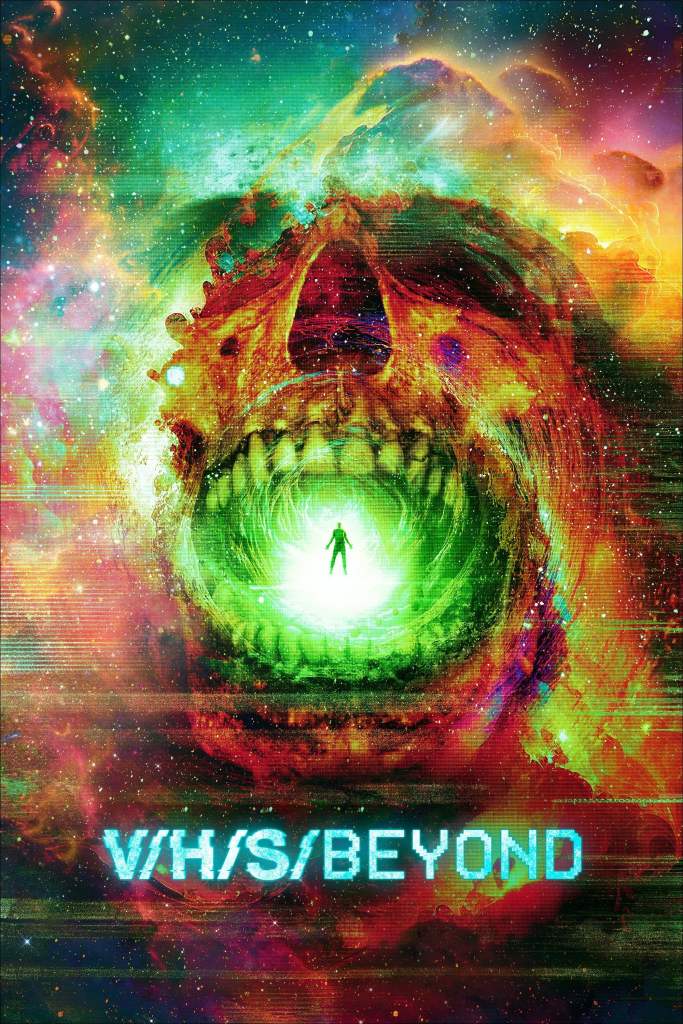
36. V/H/S/Beyond rockets the franchise into sci-fi horror territory with a mix of imaginative concepts and uneven execution. Standout segments like “Live and Let Dive,” with its skydiving alien chaos, and “Stowaway,” offering an emotionally charged descent into extraterrestrial dread, elevate the anthology, while weaker entries like “Fur Babies” veer into absurdity. Despite its highs and lows, the seventh installment maintains the franchise’s signature blend of gory spectacle and inventive storytelling, making it a solid, if not revolutionary, entry in the series.
Good Stuff

35. The 2024 Speak No Evil remake trades the gut-wrenching despair of the original for a more polished, sanitized thriller that caters to wider audiences with its safer, action-packed ending. While James McAvoy’s chilling performance as Paddy and the tense cinematography bring some highlights, the added backstory and softened climax dilute the raw terror and moral ambiguity that made the Danish original unforgettable. If you haven’t seen the 2022 version, this might scratch your horror itch, but for those familiar with its predecessor, this remake feels like a dim echo of what it could have been.
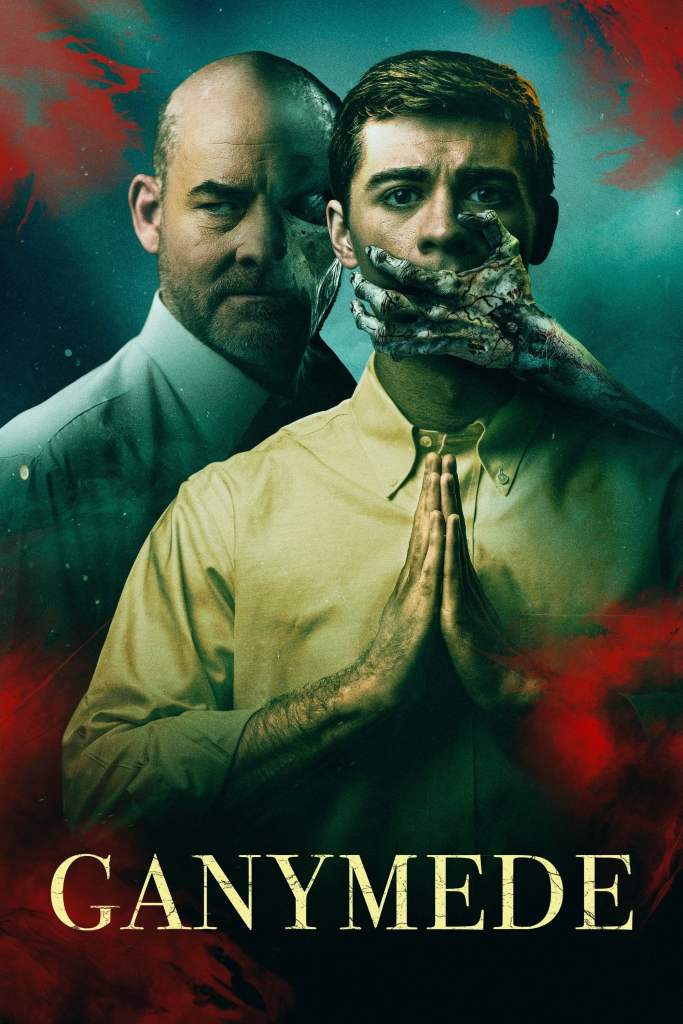
34. Ganymede is a sweaty, southern gothic brawl of closeted gay panic, evangelical fervor, and campy horror that’s as messy as it is unforgettable. Jordan Doww sweats raw pathos as Lee, spiraling into hallucinations of a BDSM demon every time his feelings for glittery Kyle (a fabulous Pablo Castelblanco) bubble too close to the surface. It’s a chaotic, blood-and-glitter baptism of queer trauma and southern gothic absurdity that somehow slaps, wobbly tone and all.
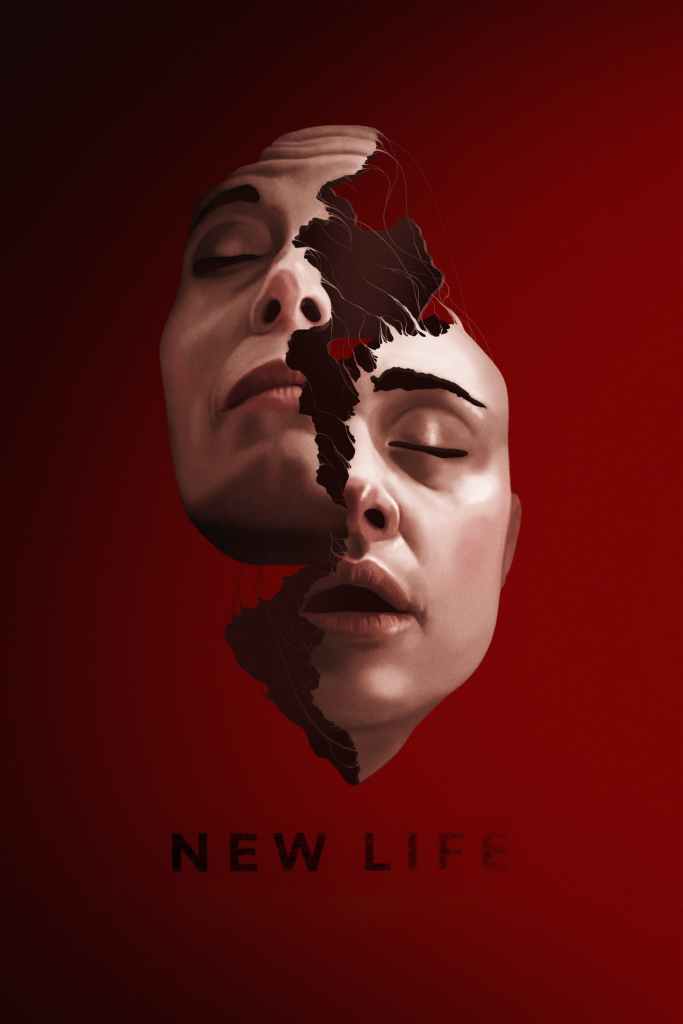
33. New Life, written and directed by John Rosman, is a high-stakes thriller blending contagion horror with a relentless chase, featuring Hayley Erin’s Jessica fleeing from both gunmen and the impending doom of a zombie apocalypse. Sonya Walger’s portrayal of Elsa, a fixer with ALS, adds a poignant layer to the chaos, while Ayanna Berkshire as Molly steals the show with a grounded performance amidst the unfolding carnage. Though the pacing falters and its thematic ambition occasionally overshadows the gore-filled tension, New Life offers enough visceral thrills and grotesque visuals to make it a worthwhile, albeit imperfect, ride.

32. Starve Acre roots itself in the bleak moors of Yorkshire, delivering a haunting tale of grief and folklore that lingers like damp soil underfoot. Matt Smith and Morfydd Clark shine as a couple unraveling amid sinister forces tied to their land, though the film’s deliberate pacing risks losing viewers before its chilling final act. With its eerie atmosphere, disturbing visuals, and a score that amplifies unease, this folk horror piece offers a somber, unsettling experience for fans of slow-burn storytelling.

31. Lovely Dark and Deep is a hauntingly atmospheric debut from Teresa Sutherland, blending cosmic horror and personal grief into a slow-burn journey through a forest that feels alive with menace. Anchored by Georgina Campbell’s captivating performance as a park ranger searching for answers about her sister’s disappearance, the film masterfully balances surreal ambiguity with an unsettling exploration of humanity’s fear of the unknown. While its deliberate pacing and lack of clear resolutions may divide viewers, those who appreciate immersive, thought-provoking horror will find this visually stunning tale lingering long after the credits roll.
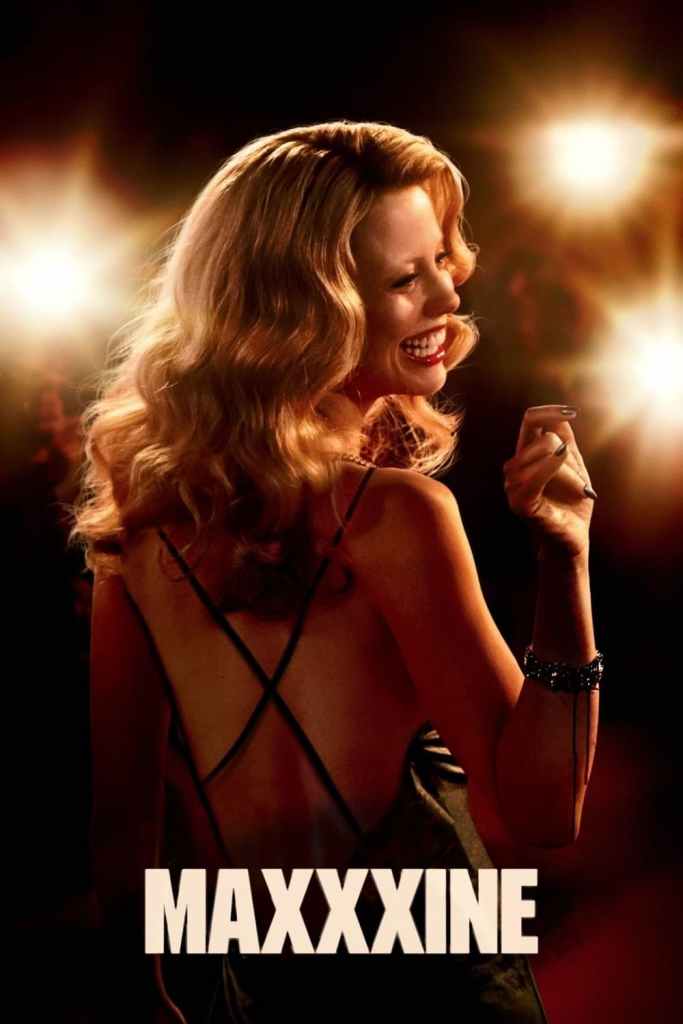
30. Maxxxine is a neon-drenched ode to 1980s Hollywood, blending slasher intrigue with biting satire about fame, but its ambition often overshadows its execution. Mia Goth remains mesmerizing as Maxine, embodying a complex mix of swagger and vulnerability, yet the narrative sometimes sidelines her in favor of overstuffed subplots and a sprawling cast. Despite its flaws, Ti West’s trilogy-capper delivers striking visuals, shocking gore, and enough style to keep audiences entertained, even if it doesn’t quite recapture the magic of its predecessors.
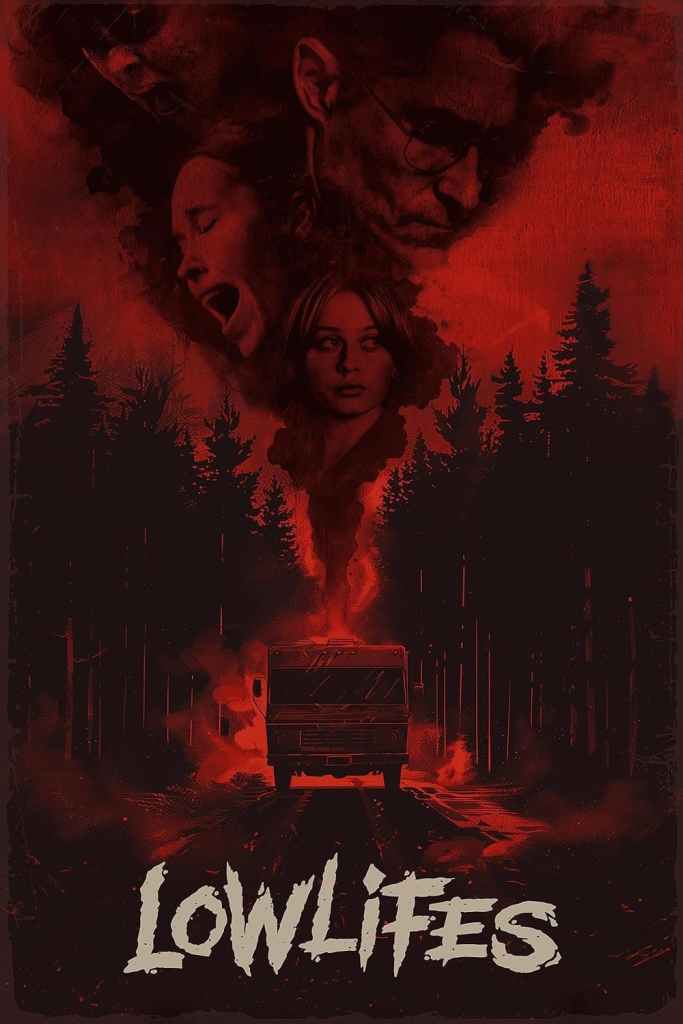
29. Lowlifes is a chaotic, blood-soaked rollercoaster that dives headfirst into its B-movie roots, delivering a twisted tale of family dysfunction, rural horror, and dark humor. Matthew MacCaull and Elyse Levesque anchor the film with unsettling performances, while Amanda Fix and Brenna Llewellyn steal the show as fierce, unhinged forces of nature. With sharp writing, surprising tension, and a healthy dose of gore, Lowlifes is a grimy, no-holds-barred thrill ride that doesn’t pretend to be more than it is—and that’s exactly what makes it worth watching.

28. Immaculate is a haunting blend of atmospheric religious horror and gripping psychological tension, elevated by Sydney Sweeney’s compelling performance as Sister Cecilia. With its breathtaking Italian countryside visuals, inspired casting, and a deft balance of the sacred and sinister, the film immerses viewers in a macabre tale of faith, freedom, and corruption. While some plot twists are predictable and the thematic exploration occasionally stumbles, Immaculate stands out as a worthy entry in the genre, offering chills and thought-provoking moments that linger well after the credits roll.

27. Smile 2 builds on its predecessor with a bloodier and more surreal dive into psychological horror, anchored by Naomi Scott’s harrowing portrayal of a pop star spiraling under the weight of fame and supernatural torment. Parker Finn delivers inventive scares and visually stunning set pieces, though the film’s runtime and reliance on repetitive tricks occasionally dull its sharp edge. Despite these flaws, the movie leaves a lasting impression with its chilling atmosphere, captivating lead performance, and a finale that will have audiences grinning in uneasy delight.

26. What You Wish For serves up a tense, twisty psychological thriller with Nick Stahl delivering a gripping performance as a man spiraling deeper into a web of deceit. Nicholas Tomnay blends Hitchcockian suspense with high-stakes kitchen drama, keeping viewers on edge as Ryan juggles lies, murder, and dangerous employers. Despite a few plot holes, the film’s dark humor and nerve-wracking tension make it a wild, satisfying ride.
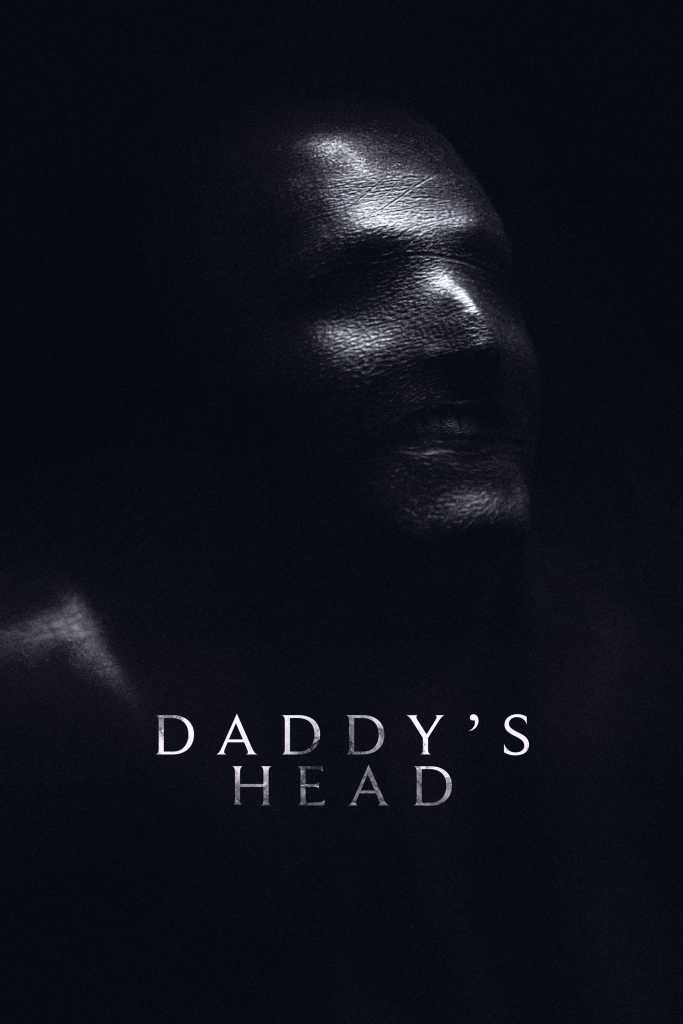
25. Daddy’s Head marries grief and horror in a chilling tale that uses its titular creature—a grotesque blend of human and monstrous forms—to explore the depths of loss and denial. Rupert Turnbull and Julia Brown deliver emotionally raw performances that anchor this atmospheric slow burn, though its ambiguity occasionally leaves the narrative frustratingly opaque. Despite a slightly clichéd conclusion, Benjamin Barfoot’s skillful direction and striking visuals ensure the film lingers like an unsettling whisper in the dark.

24. MadS is a frenetic, one-take rollercoaster that marries zombie chaos with the disorienting paranoia of a bad drug trip, delivering a visceral, anxiety-inducing experience. While the film’s technical ambition shines, the relentless pace and fragmented storytelling occasionally sacrifice depth for spectacle. Anchored by standout performances, particularly Laurie Pavy’s electrifying turn, MadS is a gripping, if imperfect, plunge into stylish nihilism and blood-soaked mayhem.
Solid Entry, Inspired

23. It’s What’s Inside blends relationship drama, sci-fi intrigue, and a touch of horror into a stylishly chaotic game of body-swapping and betrayal. While Greg Jardin’s inventive visuals and sharp editing elevate the narrative’s complex twists, the film sometimes struggles to balance its ambitious concept with character depth. Despite minor missteps, the ensemble cast and playful existential themes make this a standout, engaging, psychological thriller.
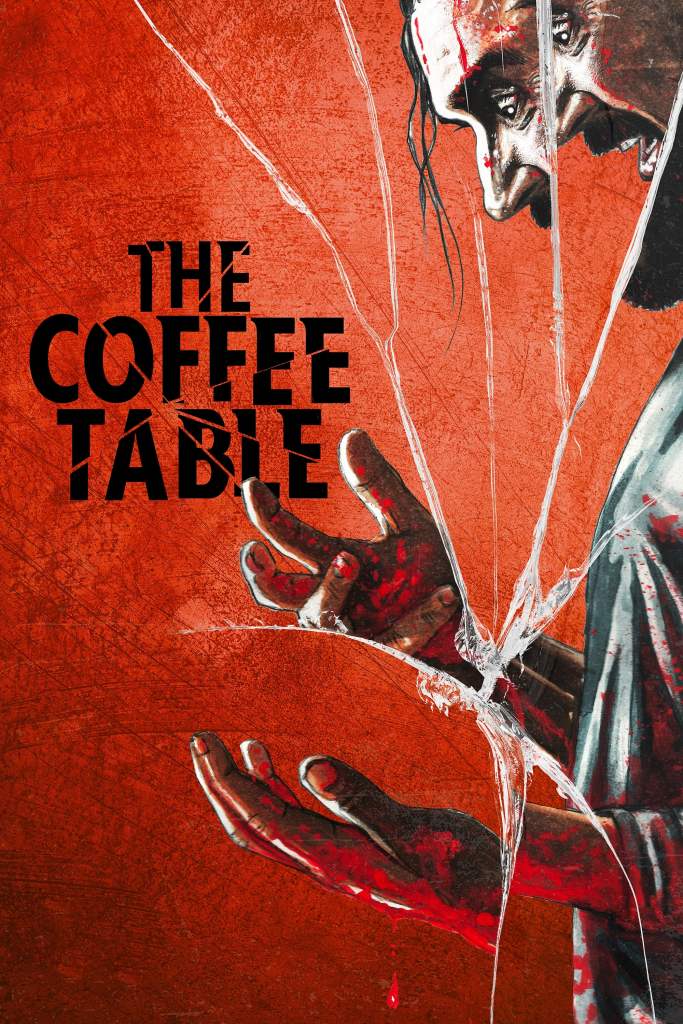
22. The Coffee Table masterfully transforms an ordinary piece of furniture into the catalyst for one of the most unsettling cinematic experiences of the year. With razor-sharp direction by Caye Casas and a gut-wrenching performance from David Pareja, the film balances bleak humor and palpable dread to explore the fragile dynamics of marriage and parenthood. A darkly comedic and deeply harrowing tale, it leaves an indelible mark, proving that even the most mundane decisions can spiral into unimaginable consequences.

21. A Quiet Place: Day One dives into the chaotic origins of the alien invasion with a mix of tension, emotion, and absurdity. Lupita Nyong’o shines as Samira, a terminally ill woman on a desperate quest for pizza amidst the apocalypse, bringing both heart and humor to the film. While the sound design and urban setting deliver fresh thrills, the lack of deeper alien lore and a sense of narrative redundancy keep it from truly breaking new ground.

20. Abruptio delivers a wildly original horror experience, blending unnervingly realistic puppetry with a chilling narrative about control and survival. Guided by Evan Marlowe’s daring direction and an impressive voice cast, including James Marsters and the late Sid Haig, the film immerses viewers in a nightmarish world of escalating tension and dark humor. Bold, unsettling, and deeply creative, it’s a haunting story that lingers long after the credits roll.

19. Abigail is a delightfully gory horror-comedy that pits a ragtag group of kidnappers against a pint-sized vampire ballerina, played brilliantly by Alisha Weir. Directed by Matt Bettinelli-Olpin and Tyler Gillett, the film delivers relentless blood-soaked chaos, witty genre references, and a Gothic mansion setting that amps up the terror. While it stumbles with shallow characters and a wildly off-the-rails third act, it’s a twisted, entertaining ride for fans of dark humor and over-the-top gore.

18. The First Omen explores the origins of Damien Thorn with striking visuals and unsettling atmosphere, blending religious horror and political intrigue against the backdrop of 1970s Rome. Nell Tiger Free delivers a strong performance as Margaret, a novice caught in a demonic conspiracy, while director Arkasha Stevenson infuses the film with her distinctive style, crafting terrifying yet beautifully shot moments. Though it leans heavily on franchise nostalgia, the prequel offers enough fresh twists and compelling character arcs to make it a worthwhile addition to The Omen series.

17. Alien Romulus revitalizes the franchise with a gripping mix of tension, practical effects, and standout performances from Cailee Spaeny and David Jonsson. Fede Álvarez captures the franchise’s haunting essence with atmospheric set designs and terrifying sequences, even if the film occasionally leans too heavily on nostalgic callbacks. While not as groundbreaking as its predecessors, this thrilling installment delivers enough chills and spectacle to satisfy fans and earns its place in the series.

16. Cuckoo is a gloriously unhinged flick of murderous bird-people, time loops, and family dysfunction, with Tilman Singer reveling in chaos like a mad scientist of horror. Hunter Schafer shines as Gretchen, a brooding teen caught in the middle of Bavarian madness, while Dan Stevens chews scenery with gleeful menace as Herr König. It’s messy, it’s weird, and it doesn’t care if you’re confused—just buckle up and enjoy the ride.

15. In a Violent Nature reinvents the slasher genre by focusing on its vengeful undead killer, Johnny, while ditching traditional tropes like music scores in favor of eerie natural soundscapes. Chris Nash’s feature debut is a brutal, contemplative slow burn, where gore-soaked kills and haunting cinematography create an unforgettable, visceral experience. By following Johnny’s perspective and weaving a rich background narrative through ambient details, Nash delivers a slasher film that is both innovative and gut-wrenchingly effective.
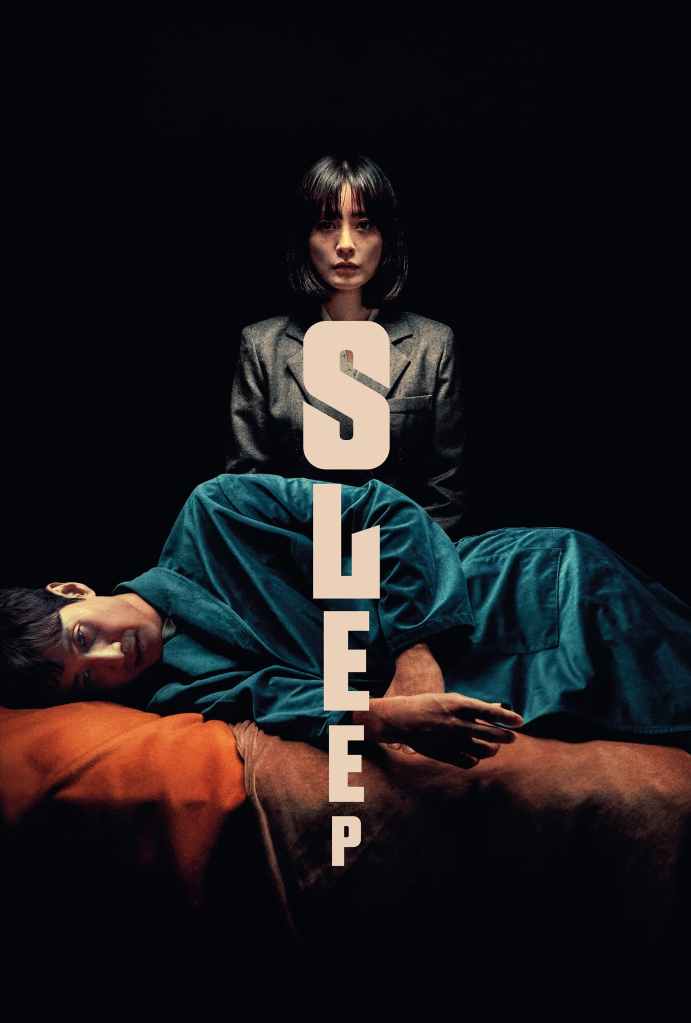
14. Sleep is a masterclass in atmospheric storytelling, weaving a chilling tapestry of psychological dread and domestic unease under Jason Yu’s assured direction. Anchored by outstanding performances from Jung Yu-mi and the late Lee Sun-kyun, the film explores the thin boundary between love and fear, creating a deeply unsettling yet profoundly human narrative. With its brilliant balance of tension, emotion, and dark humor, Sleep redefines the horror genre, leaving viewers haunted long after the credits roll.

13. You’ll Never Find Me is a masterclass in minimalist horror, using a single stormy night in a desolate trailer park to craft an intensely claustrophobic psychological thriller. Directors Indianna Bell and Josiah Allen expertly exploit confined spaces, sharp cinematography, and stellar performances by Brendan Rock and Jordan Cowan to create a gripping battle of wits steeped in paranoia and tension. With its layered script and chilling exploration of trust and deception, this debut feature leaves an indelible mark on the genre, ensuring its unease lingers.
THE AWESOME
Excellent!

12. Strange Darling is a blood-soaked, genre-flipping thriller that keeps you guessing with its non-linear narrative and two electrifying performances from Willa Fitzgerald and Kyle Gallner. Shot on gritty 35mm film with stunning cinematography by Giovanni Ribisi, the film pairs visceral tension with sharp dialogue and unpredictable twists. While it occasionally overindulges in its cleverness and stumbles in handling sensitive themes, JT Mollner’s directorial debut delivers a stylish, chaotic ride that indie horror fans won’t want to miss.

11. Stopmotion is a meticulously crafted psychological horror that blends live-action and grotesque stop-motion animation to explore the toll of creativity and a toxic maternal bond. Aisling Franciosi delivers a haunting performance as Ella, a tortured artist whose descent into obsession is both mesmerizing and horrifying. While it treads familiar themes of madness and ambition, Robert Morgan’s feature-length debut stands out for its unnerving visuals, impeccable sound design, and a chillingly unique take on the cost of artistic genius.

10. Late Night with the Devil masterfully blends 1970s nostalgia, humor, and supernatural terror into a uniquely riveting experience, anchored by David Dastmalchian’s charismatic performance as desperate talk-show host Jack Delroy. Directors Colin and Cameron Cairnes meticulously recreate the era’s aesthetics, weaving a tense, clever narrative that unfolds during a live Halloween broadcast gone horrifyingly wrong. Balancing sharp social commentary with chilling scares, this film is both a tribute to vintage media and a fresh entry into modern horror.
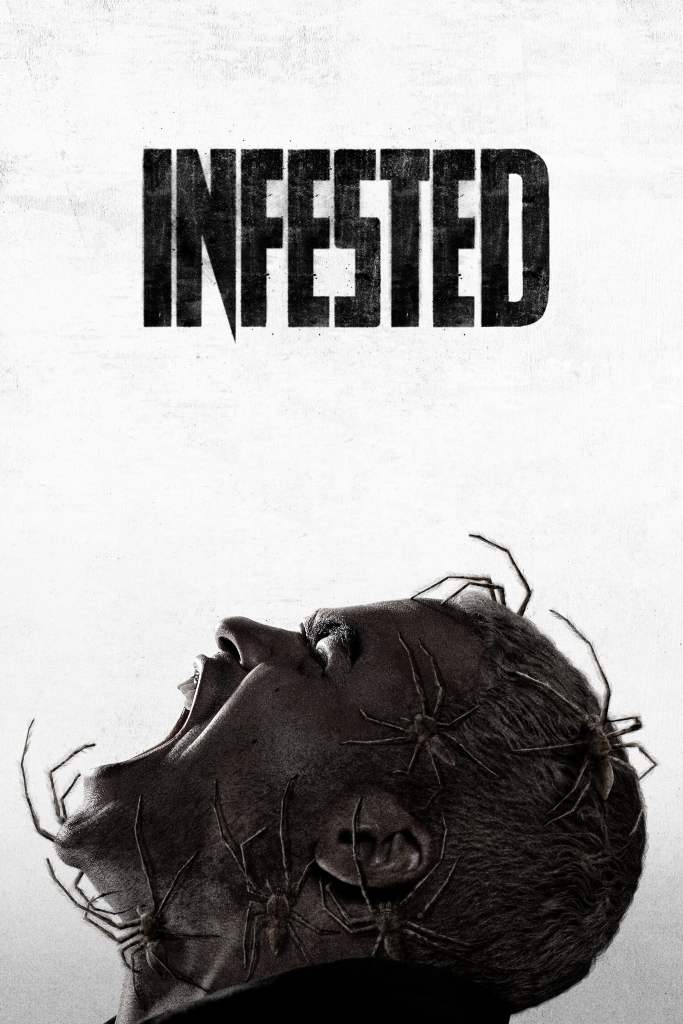
9. Infested is a tense and stylish creature feature that combines relentless spider-driven terror with compelling human drama, set within a claustrophobic Parisian apartment building. Sébastien Vaniček’s directorial debut stands out for its meticulous production design, strong character development, and the seamless integration of social commentary into its horror narrative. With nail-biting suspense, impressive visuals, and a chilling atmosphere, Infested is one of 2024’s standout horror films, blending ruthless thrills with poignant storytelling.

8. Azrael delivers a hauntingly atmospheric journey into a world where silence is both survival and sin, elevated by Samara Weaving’s commanding performance. The film’s commitment to storytelling through action and visuals, rather than dialogue, immerses viewers in its post-apocalyptic setting, leaving plenty to unpack without spoon-feeding exposition. Though some characters and story beats feel underdeveloped, its striking aesthetic, eerie creatures, and relentless tension make Azrael a gripping and memorable experience.
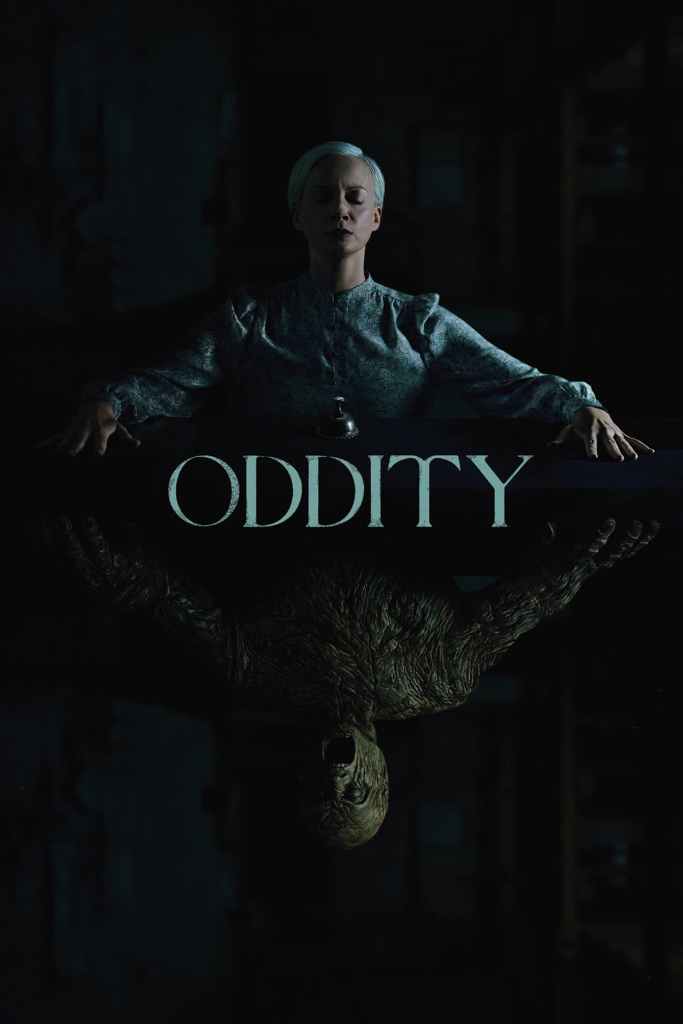
7. Oddity, directed by Damian Mc Carthy, is a masterclass in atmospheric horror, blending eerie supernatural elements with intricate storytelling and a standout dual performance by Carolyn Bracken. The film’s unsettling wooden man and masterful use of sound and shadow create a relentless sense of dread that lingers long after the credits roll. Oddity is a hauntingly unique and satisfying experience for fans of unconventional horror.

6. Bramayugam: The Age of Madness is a haunting folk horror masterpiece set in 17th-century Kerala, blending dark folklore with rich sociopolitical commentary. Mammootty delivers a commanding performance as Kodumon Potti, exuding menace in a narrative steeped in cultural and historical complexities. With stunning black-and-white cinematography and meticulous craftsmanship, the film transcends genre boundaries to create an intellectually stimulating and viscerally chilling experience.

5. Robert Eggers’ Nosferatu channels the gothic horror of its predecessors with Bill Skarsgård’s grotesque Orlok delivering chills and Willem Dafoe stealing scenes as a delightfully unhinged vampire hunter. The visuals are hauntingly stunning, but the pacing drags and Lily-Rose Depp’s Ellen is undercut by a script that leans too hard on heavy-handed symbolism. While it’s not without flaws, the film’s atmospheric dread and attention to historical detail make it a must-watch for horror purists.
Near Masterpiece

4. Exhuma breathes new life into the supernatural horror genre with its potent blend of South Korean folklore, occult mysticism, and sociopolitical commentary. Anchored by Kim Go-eun’s riveting performance as a confident yet evolving shaman, the film explores historical trauma and cultural tensions while delivering lush cinematography and spine-chilling scares. Though dense and complex, Jae-hyun Jang’s ambitious storytelling makes for a uniquely haunting experience that lingers.

3. The Substance is a grotesque, neon-drenched takedown of beauty culture, where Demi Moore’s Elisabeth injects fluorescent goo to birth a younger, hotter version of herself, played by Margaret Qualley. Coralie Fargeat blends audacious body horror with biting social commentary, turning the horrors of aging and societal pressure into a candy-colored nightmare. Equal parts unsettling and darkly funny, it’s a messy, chaotic roller coaster that critiques the system, not the women trapped in it—just don’t watch it with snacks.
Horror Canon

2. Longlegs is a bonkers fever dream where Nicolas Cage fully embraces his inner chaos demon, delivering a performance that feels like he’s auditioning for a role in your nightmares. The plot makes just enough sense to keep you hooked, but mostly it’s a parade of dread, weird vibes, and WTF moments that hit harder than a bad acid trip. Love it or hate it, you can’t deny Cage is out here doing God’s—or maybe the Devil’s—work.

1. Heretic is a masterful blend of psychological tension, theological inquiry, and raw human vulnerability that pushes the boundaries of genre filmmaking. With stunning performances—Hugh Grant’s sinister charm stealing the show—and breathtaking cinematography by Chung-hoon Chung, the film grips you with its claustrophobic setting and intellectual edge. While its third act might overexplain some of its mysteries, Heretic remains a thrilling and thought-provoking exploration of belief, doubt, and the fragile constructs we cling to in the face of the unknown.
 The Blog Without a Face
Leave a comment