
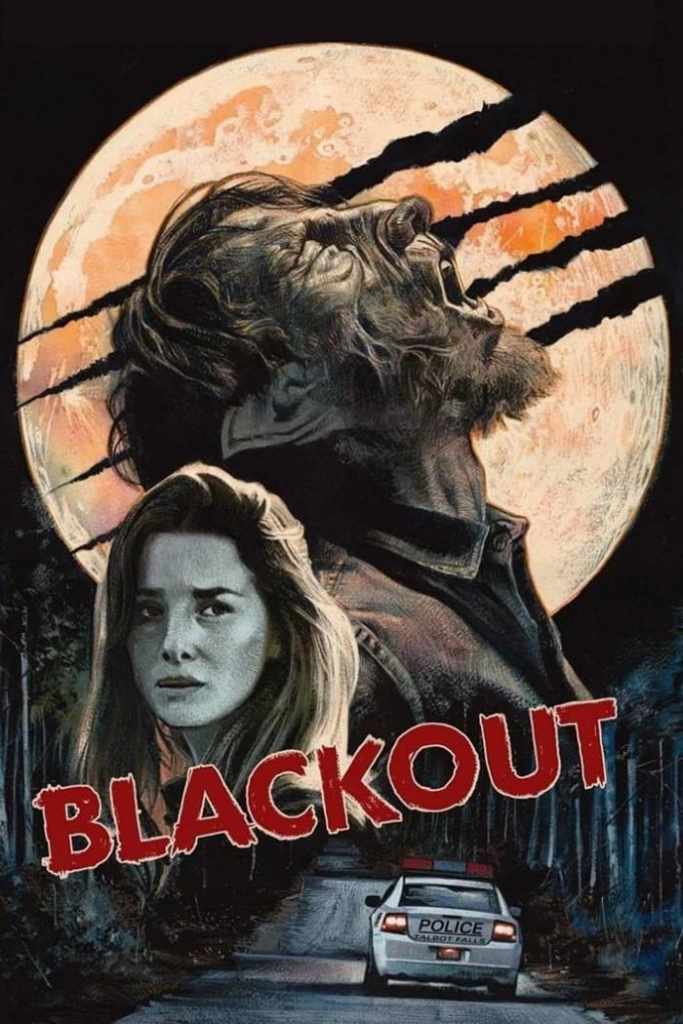
Larry Fessenden (Habit, Wendigo, Depraved), the godfather of indie horror and the man who probably has more fake blood in his closet than you have clothes, was born on March 23, 1963, in the spooky labyrinths of New York City. With a resume that reads like the best fucking Halloween party guest list, Fessenden is the brains behind Glass Eye Pix, a production company that churns out nightmares like Willy Wonka makes chocolate.
This horror maestro has done it all. He’s directed cult classics like Habit, where vampires roam the gritty streets of NYC looking less like Dracula and more like your sketchy neighbor who only comes out at night. Wendigo proves he can make you scared of both the woods and your own imagination, while The Last Winter teaches you that global warming isn’t just bad for polar bears—it’s a recipe for Arctic horror.
As an actor, Fessenden pops up in movies like Session 9 and You’re Next, usually playing characters who look like they haven’t slept in days—which might just be true, considering his relentless work ethic. He’s also the mastermind behind Tales from Beyond the Pale, an audio drama series that makes old-timey radio shows sound scarier than your grandma’s attic.
Larry’s work is a cocktail of atmospheric tension, twisted humor, and progressive horror. His stories are 1) always character first and 2) tend to have left-leaning causes underpinning the messages. This doesn’t change with his latest creation, Blackout.
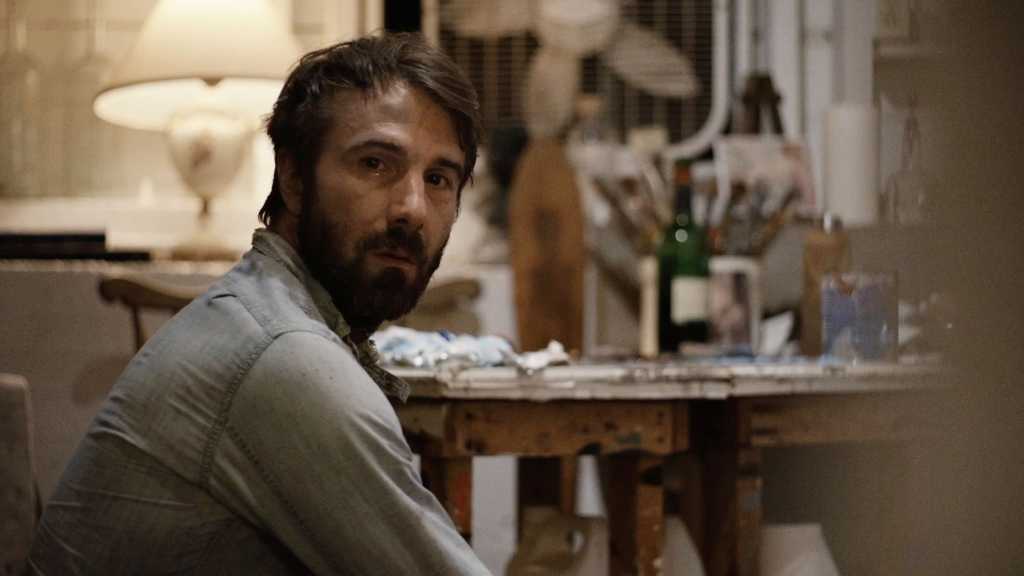
Blackout kicks off with Charley, a down-on-his-luck artist and part-time contractor, who finds himself cursed with lycanthropy, which is a fancy word for “I turn into a hairy murder machine when the moon’s out.” Charley’s played by Alex Hurt, who brings a delightful sense of doom and gloom to the character. Charley’s got a whole lot of drama to deal with: his ex-girlfriend, his dead dad’s secrets, and a corrupt real estate mogul hell-bent on destroying the town to build a crappy resort. Oh, and did I mention he’s a goddamn werewolf? Because that’s kind of a big deal.
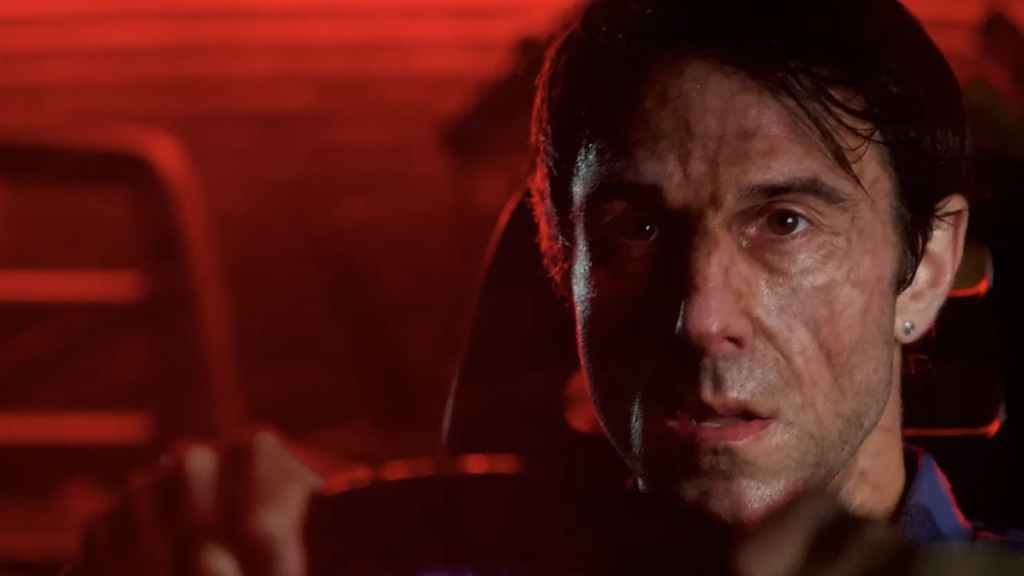
While Charley’s trying to sort out his mess of a life, his alter ego is out there making a bloody mess of the townsfolk. And who gets blamed for the carnage? Poor Miguel, a Latino laborer who seems to have wandered into this horror flick straight from a Trump rally’s nightmares.
Larry Fessenden isn’t just interested in blood and guts (though there’s plenty of that). He’s here to make a statement, damn it! The movie tackles themes like addiction (Charley’s got a drinking problem that makes frat boys look like teetotalers), racism, and environmentalism. There’s a real sense that Fessenden’s trying to say something meaningful about the human condition, but sometimes it feels like he’s shouting over the noise of a chainsaw massacre. The film’s exploration of small-town corruption and bigotry gives it an edge, making it a monster movie with some actual bite.
Fessenden knows how to stretch a dollar. Even though the film feels very indie, Blackout looks way more expensive than it is, thanks to clever direction and some nifty tricks behind the camera. You can tell he loves the genre, and he directs with a mix of humor, sarcasm, and a touch of something genuine that gives the movie its quirky charm.
The script is where things get a bit dicey. Fessenden’s trying to cram a whole miniseries’ worth of plot into 104 minutes, and it shows. We’ve got Charley’s personal demons, a conspiracy involving toxic real estate deals, and a community on the brink of old timey racist torches and pitchforks. It’s just too much. Each of these themes are incredibly worthy and interesting individually, but including them all does them insufficient justice. Consequently, the film’s pacing suffers, with the plot sometimes veering off..
Alex Hurt, son of the late William Hurt, takes the lead as Charley, and damn if he doesn’t give it his all. He’s got this brooding intensity that makes you root for him even when he’s tearing out throats like he’s opening ketchup packets. Hurt’s performance is the film’s anchor, giving weight to the proceedings even when the plot goes off the rails.
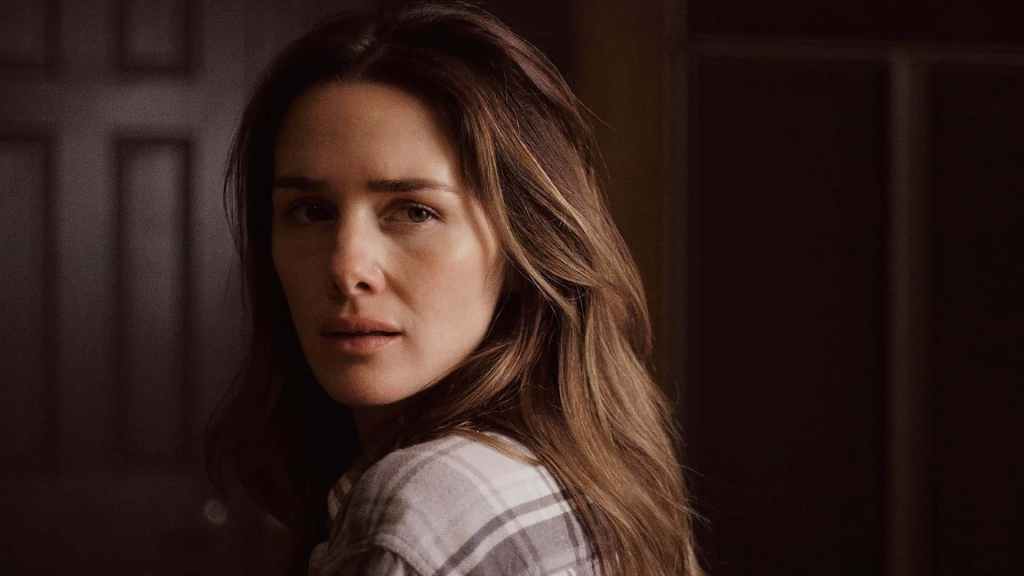
The supporting cast is a who’s who of indie horror veterans, with appearances by Barbara Crampton, Joe Swanberg, and Kevin Corrigan. Each of them brings their A-game, even if the script doesn’t always give them much to chew on (except maybe some unfortunate townsfolk). There are moments of brilliance here, with Hurt and company managing to elevate the material with some surprisingly nuanced performances. But damn, were these conversations largely improvised?! Some of them are just too freewheelin’.
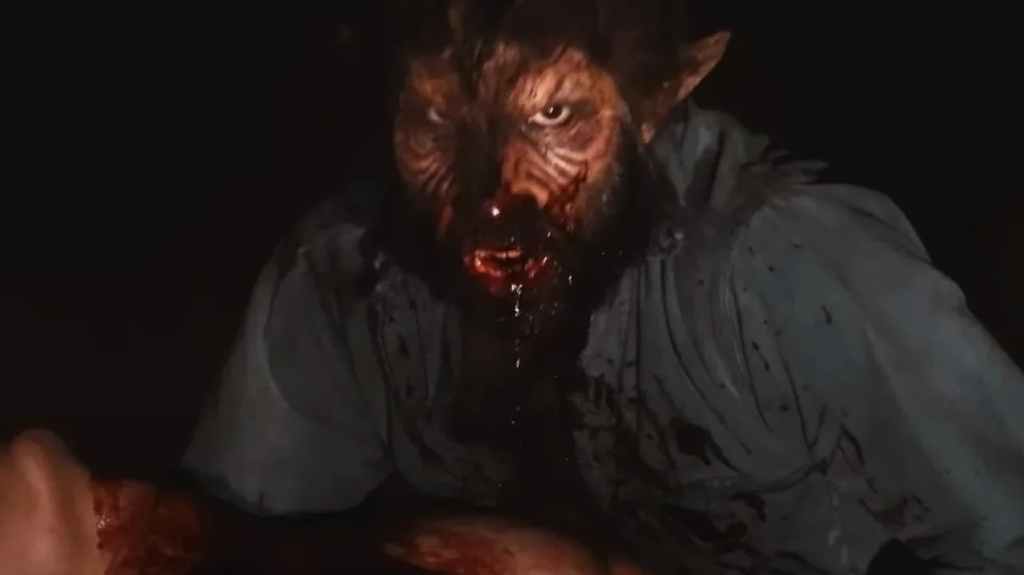
The film’s look is gritty and raw, which suits the story perfectly. Collin Brazie’s cinematography captures the eerie beauty of upstate New York. The werewolf transformations are wisely kept just out of full view, using quick cuts and clever lighting to sell the illusion without blowing the budget. It’s a throwback to the classic creature features, where what you don’t see is often scarier than what you do. But the makeup kicks fucking ass.
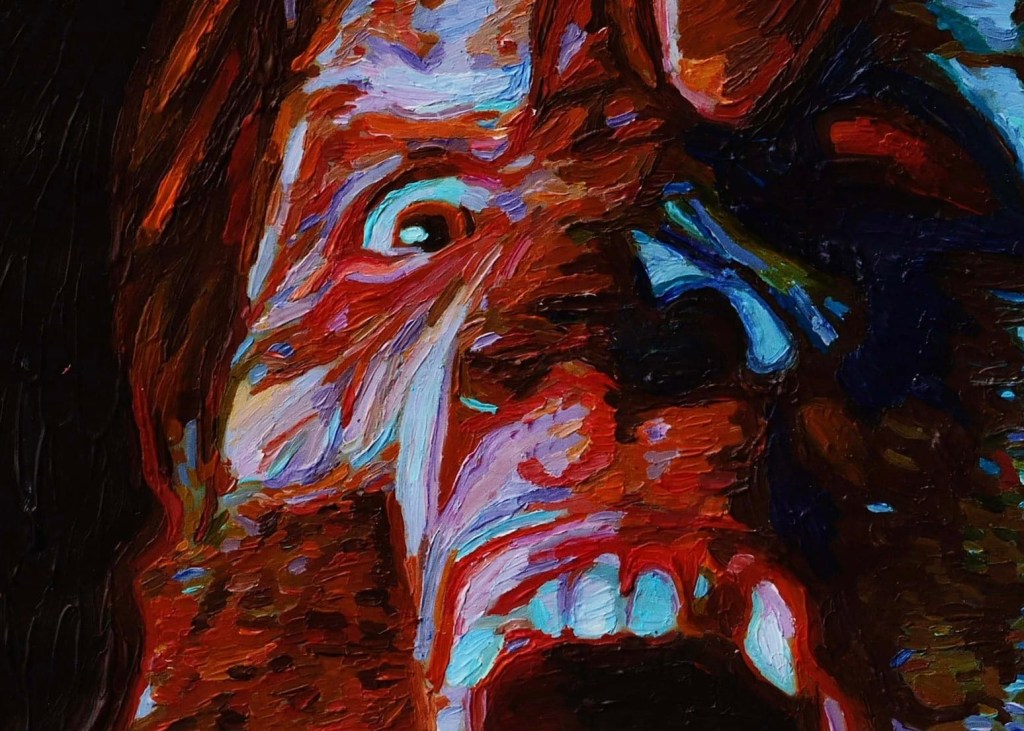
The animated sequence, which depicts Charley’s mental state and transformation, adds a surreal touch that’s both haunting and super fucking cool. It’s like watching a Van Gogh painting come to life, with all the madness and beauty that entails.
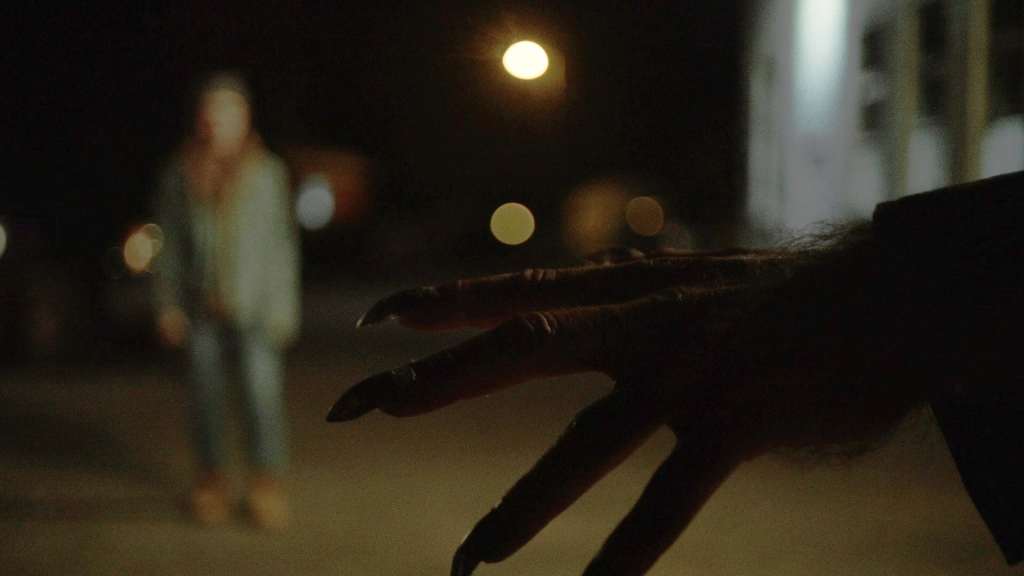
Blackout shines when it embraces its roots as a monster movie with a message. The biggest issue with Blackout is its ambition. Fessenden is juggling so many ideas that the film sometimes feels like it’s about to drop them all. The pacing is uneven, with stretches of dialogue-heavy scenes that could’ve used a good pruning. The subplot involving Miguel and the racial tensions in the town is compelling but underdeveloped, leaving it feeling more like an afterthought than a fully realized part of the narrative.
The movie’s tonal shifts can be jarring, swinging from horror to drama to social commentary without always sticking the landing. It’s like watching a tightrope walker with one too many flaming torches; impressive but occasionally wobbly.
Blackout is a fascinating beast of a film. It’s a messy, ambitious, and occasionally brilliant take on the werewolf mythos. Fessenden’s love for the genre is evident in every frame, even if his reach sometimes exceeds his grasp. If you’re a fan of horror that’s willing to take risks and doesn’t mind getting a little preachy, this one’s worth a watch. Just don’t expect it to be as polished as a Hollywood blockbuster. This is indie horror at its most raw and real, for better and worse.

Director: Larry Fessenden
Writer: Larry Fessenden
Released April 12, 2024

 The Blog Without a Face
Leave a comment