


Ah, vampires. They just never go out of style, do they? Whether they’re sparkling in the sun or brooding in a Gothic castle, these undead fiends have sunk their fangs into our cultural jugular and refused to let go. The latest addition to this blood-sucking lineage is Humanist Vampire Seeking Consenting Suicidal Person, a delightfully twisted comedy-drama from Québécois director Ariane Louis-Seize. This flick isn’t just another addition to the crowded vampire genre; it’s a darkly humorous romp that blends teen angst and the undead in a way that feels both fresh and nostalgic. Before we dive in, let’s get one thing straight, this really isn’t a horror film – so don’t expect anything particularly scary. So, why am I reviewing it? Cuz it has vampires and I fucking felt like it, okay?!
The film centers on Sasha, a 68-year-old vampire who looks like a teenage girl and has a serious case of empathy, making her the black sheep of her bloodthirsty family. Unlike her kin who relish the thrill of the hunt, Sasha can’t bring herself to kill. Instead, she survives on blood bags her parents provide, Capri-Sun style. Enter Paul, a bullied, suicidal teenager who seems like the perfect solution to her ethical dilemma. When Sasha proposes a mutually beneficial arrangement—she gets his blood, and he gets a painless death—they embark on a bizarre adventure that forces them both to confront their deepest fears and desires.

Ariane Louis-Seize’s direction is excellent. She manages to balance the film’s many tonal shifts—from dark comedy to tender romance to gripping emotion—without ever losing the narrative thread. Her eye for style is evident in every frame, from the moody, neon-lit streets of Montreal to the intimate, softly lit moments between Sasha and Paul. The cinematography by Shawn Pavlin enhances this visual feast, using tightly framed shots and atmospheric lighting to create a world that feels both surreal and grounded.
The screenplay, co-written by Louis-Seize and Christine Doyon, is sharp, witty, and, occasionally, unapologetically dark. The dialogue crackles with irreverent humor, and the characters are well-drawn and relatable despite their supernatural predicaments. The film’s premise—an ethical vampire and a suicidal teen—could easily have veered into maudlin territory, but the writers keep things light and brisk, infusing the narrative with enough humor and heart to keep the audience engaged. The film also cleverly subverts traditional vampire tropes, offering a fresh take on the genre that feels both timely and timeless.
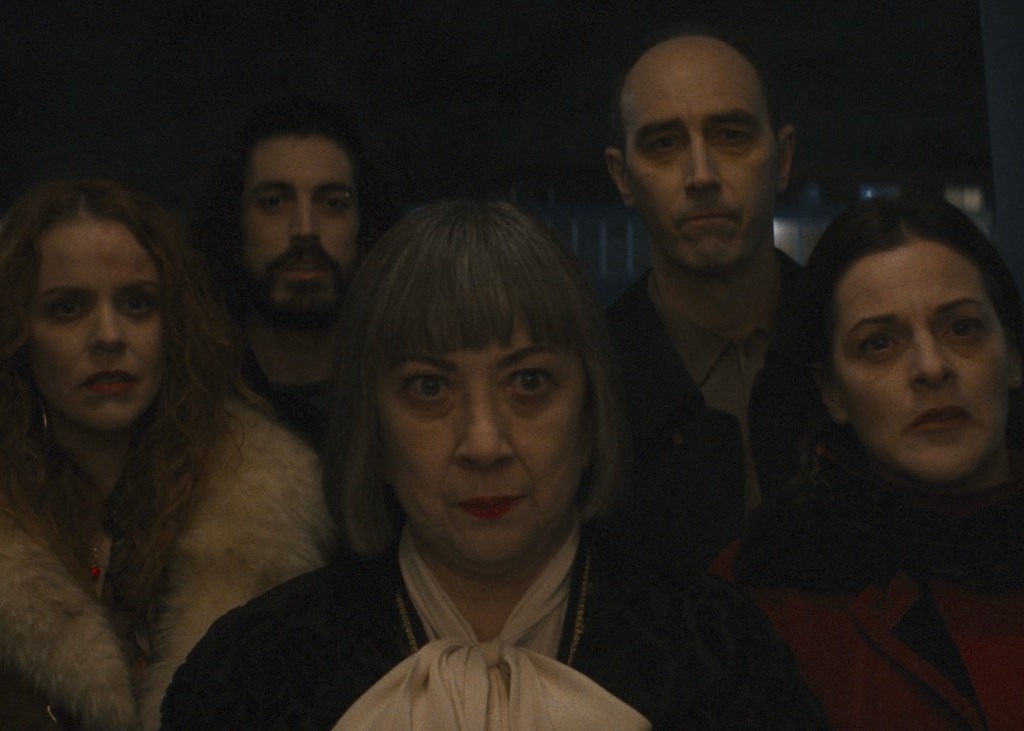
Sara Montpetit is a revelation as Sasha. She brings a quiet intensity to the role, capturing the character’s internal struggle with a nuanced performance that is both heartbreaking and hopeful. Montpetit’s portrayal of Sasha’s empathy and reluctance to kill is both believable and compelling, making her a sympathetic and engaging protagonist. Félix-Antoine Bénard, as Paul, complements her perfectly with his portrayal of a tortured, yet endearing, soul. Their chemistry is palpable, and their interactions provide some of the film’s most memorable moments.
Humanist Vampire tackles some heavy themes—suicide, mental health, and the morality of killing—but does so with a light touch. The film explores the idea of consent and the ethics of taking a life, even if it’s willingly offered. It also delves into the pain of adolescence, the search for identity, and the longing for connection, all through the lens of a vampire story. Even though Sasha is 68, it also seems to be very much a coming-of-age story with the emergence of her fangs paralleling sexual awakening. These themes are handled with sensitivity and intelligence, making the film more than just a dark comedy.
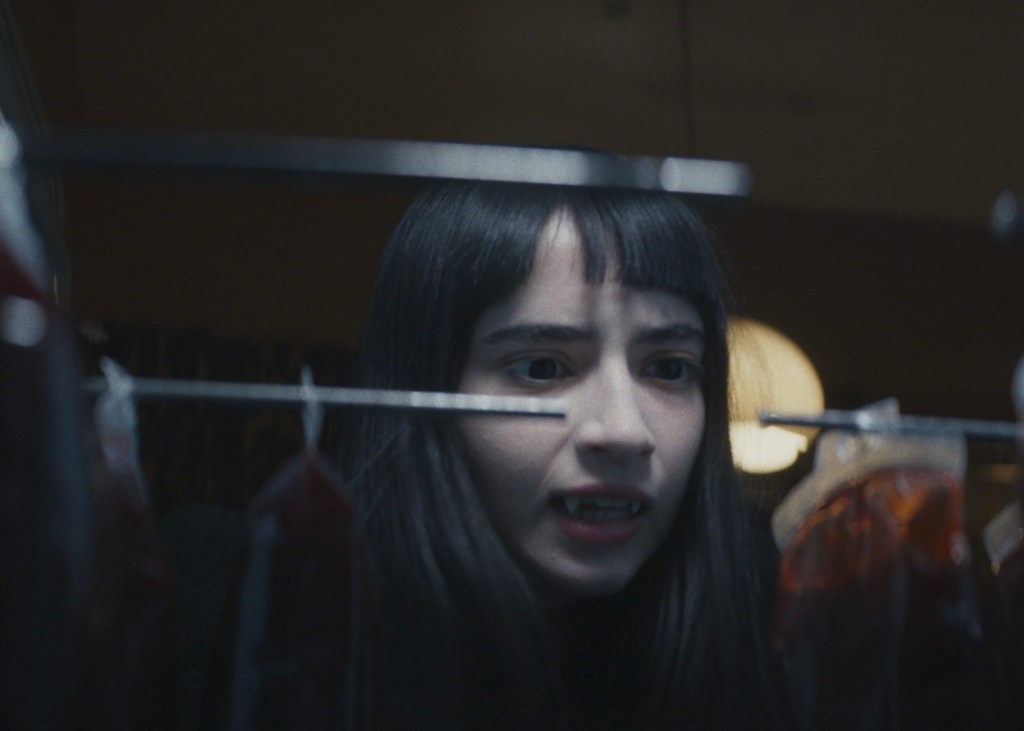
The film’s biggest strength lies in its ability to blend humor and grim themes seamlessly. The comedic elements are genuinely funny, and the violence and dark aspects are handled with a deft touch that keeps them from feeling gratuitous. The performances, particularly by Montpetit and Bénard, are top-notch, and the direction is confident and assured. The film’s visual style is another highlight, with its moody, atmospheric cinematography and striking use of color and light.
If there’s a criticism to be made, it’s that the film sometimes feels a bit too restrained in its darker moments. Given the premise, there was potential for more visceral horror or deeper exploration of the characters’ psychological struggles. Additionally, the film occasionally feels familiar, with echoes of other similarly unique takes on vampires including Let the Right One In or A Girl Walks Home Alone at Night. However, these are minor quibbles in an otherwise excellent film.

Humanist Vampire is a wickedly fun, surprisingly touching film that breathes new life into the vampire genre. With its sharp writing, stellar performances, and stylish direction, it’s a pretty broad crowd pleaser. In fact, those looking for horror really won’t find what they’re looking for here. Nonetheless, whether you’re a die-hard vampire aficionado or just looking for something a little different, this film is sure to satisfy. So grab some popcorn (hold the garlic) and sink your teeth into this gem. It’s bloody good fun.


Director: Ariane Louis-Seize
Writer: Ariane Louis-Seize, Christine Doyon
Released June 21, 2024
 The Blog Without a Face
Leave a comment