
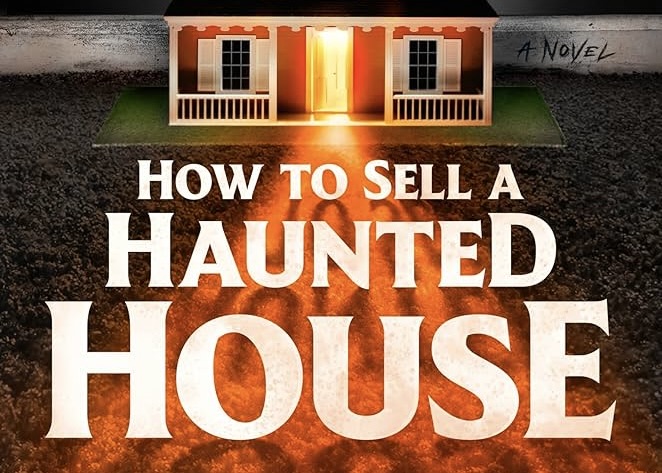

Grady Hendrix, the maestro of macabre with a twist of humor, has carved a unique niche in the landscape of contemporary horror literature. Known for his inventive approach to blending eerie narratives with comedic elements, Hendrix’s works such as Horrorstör, a story set in an IKEA-esque furniture store with supernatural disturbances, and My Best Friend’s Exorcism, which tackles demonic possession amidst the angst of teenage friendships, have garnered him a dedicated following. His 2023 novel, How to Sell a Haunted House, continues this trend, intertwining the chilling elements of a traditional ghost story with deep, emotional undercurrents of familial bonds and traumas.
The novel centers on Louise and Mark, siblings who are brought together under grim circumstances— the sudden death of their parents. Their return to the family home, a setting ripe with nostalgia, becomes the battleground for settling old scores and unearthing long-buried secrets. The house itself, crammed with an unsettling array of puppets and dolls, mirrors the siblings’ psychological turmoil. These are not just inanimate objects but repositories of family history, each puppet and doll echoing the dysfunctions and affections of their relationships.
Hendrix uses the haunted house trope as a dual narrative vehicle: firstly, as a literal ghost story filled with the eerie and the supernatural; and secondly, as a metaphor for the emotional hauntings of unresolved grief and familial discord. As Louise and Mark delve deeper into the mysteries of the house and confront the spectral manifestations of their past, the reader is treated to a rich tapestry of horror interspersed with dark humor. This blend is quintessentially Hendrix—horror that makes you laugh even as it sends shivers down your spine.
Character development is one of the novel’s strongest points. Louise, a single mother, and Mark, perceived as the less successful sibling, are portrayed with depth and complexity. Their interactions, fraught with decades of miscommunication and resentment, peel back layers of their personalities and past. These revelations are paced in tandem with the supernatural events of the story, each family secret untangled adding to the ominous atmosphere of the haunted house. This psychological depth elevates the narrative, making it not just about the scares but also about the human condition.
The horror elements in How to Sell a Haunted House are creatively gruesome and fit seamlessly within the arc of sibling rivalry and reconciliation. The puppets, particularly, are not merely creepy; they are symbols of the family’s legacy, each one carrying a piece of the family’s soul and secrets. Hendrix’s choice to animate these objects, giving them a sinister life of their own, plays brilliantly into the theme of things left unsaid and memories suppressed. The haunting, therefore, is both external and internal, as the siblings must confront both the physical manifestations of their fears and the psychological scars of their upbringing.

Hendrix’s writing style is straightforward but characterized by its sharp wit and seamless weaving of humor into terror. This is particularly evident in his dialogue, which captures the strained but familiar banter between Louise and Mark, providing levity amid the tense, chilling atmosphere. The humor is never jarring; instead, it complements the horror, adding a layer of realism to the characters’ reactions and interactions.
The narrative structure of the novel also deserves mention. Hendrix employs a non-linear storytelling method that intersperses flashbacks and memories with current events, enriching the reader’s understanding of the characters’ motivations and deepening the mystery of the haunted house. This structure keeps the suspense high, as the past and present narratives converge to a climactic revelation that challenges the siblings’ understanding of their family and themselves.
Furthermore, How to Sell a Haunted House explores themes of identity and inheritance. The siblings must grapple not only with the physical estate of their deceased parents but also with the emotional and psychological inheritance of their family dynamics. This exploration adds a profound layer to the horror narrative, questioning how much of our identities are shaped by our familial relationships and past traumas.
How to Sell a Haunted House is a fun, if pulpy, blend of horror, humor, and heart. It is a story that frightens and entertains, but also makes you think deeply about the nature of family and memory. Hendrix has crafted a novel that is both a page-turning ghost story and a thoughtful exploration of the spectral chains that bind families together. With its rich character development, inventive use of horror tropes, and impressive balance of tones, this novel is a standout in Hendrix’s already impressive oeuvre. It is a testament to Hendrix’s prowess as a storyteller who can make the macabre not only terrifying but also deeply touching.



Published by Berkley on January 17, 2023

 The Blog Without a Face
Leave a comment