

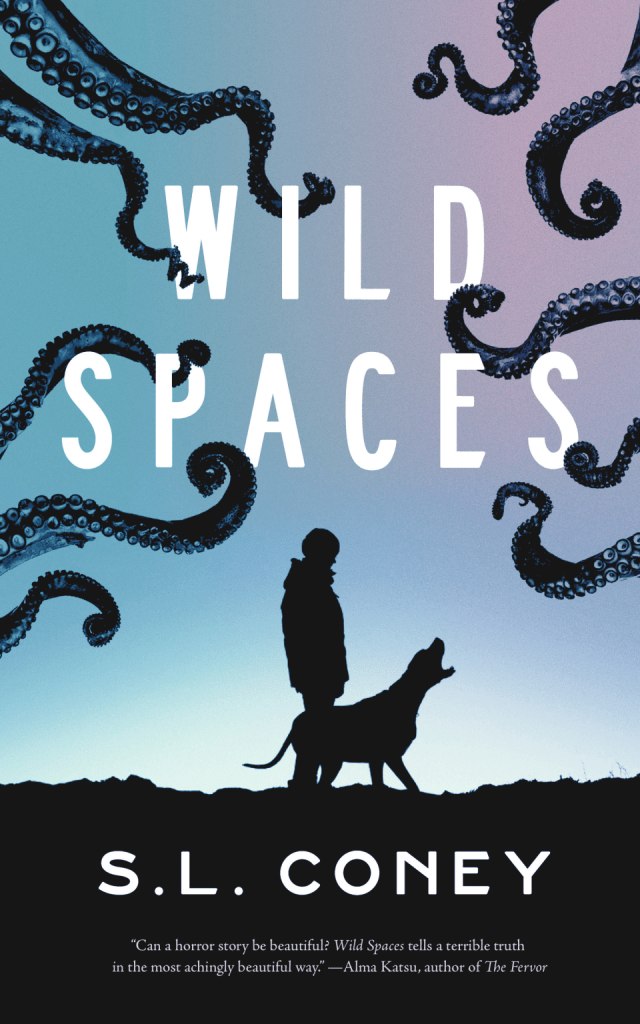
In “Wild Spaces” by S.L. Coney, we’re plunged into an evocative horror novella that artfully intertwines the innocence of childhood with the encroaching dread of adult secrets. Through the eyes of an unnamed boy, we explore the complexities of growing up against a backdrop of supernatural horror and familial unrest, set against the alluring yet foreboding landscape of South Carolina’s coastal plains and wetlands.
The story begins with the boy’s serene, almost idyllic life with his parents and beloved dog, Teach, near the seashore. Their life, rooted in simple pleasures and the natural world, shifts dramatically with the unexpected arrival of the boy’s enigmatic grandfather. Teach, the dog, immediately senses danger, setting the tone for the unraveling of peace within the household. As tensions mount, the boy’s mother appears trapped by past fears and secrets, unable to dismiss her father despite the palpable threat he poses.
The grandfather’s mysterious, ominous presence brings a palpable sense of dread that escalates into a chilling revelation of his true nature. His connection to the sea and peculiar behaviors hint at dark, familial curses and hidden truths, challenging the boy’s understanding of reality and identity.
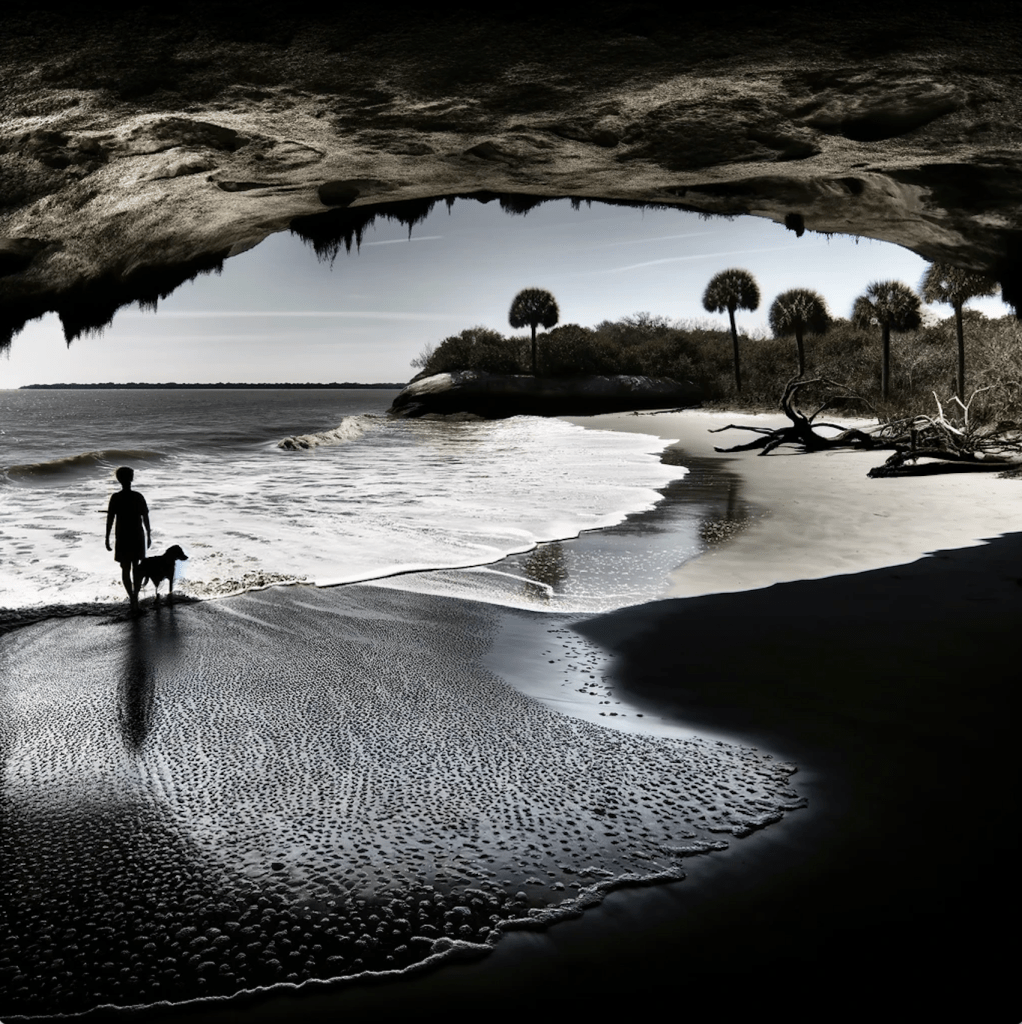
Coney masterfully captures the child’s perspective, presenting a world where adult actions are inscrutable and the boundaries between the mundane and the fantastic blur. The novella is rich in atmosphere, with Coney’s prose painting each scene vividly, imbuing the natural surroundings with a character of their own, reflective of the story’s escalating tension.
The narrative is a testament to the power of unspoken horror, relying on the reader’s imagination to fill in the gaps left by the boy’s limited understanding. This storytelling technique enhances the sense of mystery and dread, making “Wild Spaces” an indellible read.
“Wild Spaces” delves into themes of family, innocence, and the monstrous, exploring how the past’s shadows can loom large over the present. The novella questions the nature of heritage and identity, particularly through the transformative experiences of the boy, who stands on the precipice of adolescence—a time already fraught with change and uncertainty. The story also examines the idea of home and safety, and how these can be shattered by internal threats—represented by the grandfather—challenging the notion that danger primarily comes from outside. Furthermore, the emotional landscape of the novella is deeply tied to its setting, with the coastal environment mirroring the tumultuous inner worlds of its characters.
While “Wild Spaces” has been generally well-received for its lyrical language, atmospheric setting, and deep emotional undercurrents, I was surprised to find a number of folks had an issue with a particular plot point near the end (you’ll know when you read it). Personally, I think this criticism is short-sighted as the element in question serves to underscore the novella’s exploration of loss and the end of innocence, pivotal themes that resonate throughout the narrative.
Despite its brief length, “Wild Spaces” offers a rich, immersive experience, blending elements of horror with a poignant coming-of-age story. It stands as a testament to S.L. Coney’s skill in crafting deeply atmospheric and thought-provoking literature, marking a promising start to what one hopes will be a prolific writing career. It is highly recommended for those who seek a horror story that transcends traditional genre boundaries, offering instead a haunting, beautifully written exploration of the darker aspects of human nature and family legacy.


Tordotcom
Published August 1, 2023

 The Blog Without a Face
Leave a comment